In a firm political stance, the Conservative Party of Canada has declared its intention to continue advocating for stricter criminal justice measures, even as the governing Liberals signal a shift in their approach. This sets the stage for an ongoing parliamentary battle over the future direction of Canada's justice system.
A Liberal Pivot Met with Conservative Resolve
The political dynamic follows what observers have noted as a recent pivot by the Liberal government, potentially in response to public concern over crime. However, the Official Opposition has made it clear that any perceived softening or change in direction will not deter their campaign for what they term "tougher" laws. The Conservatives plan to keep the issue at the forefront of parliamentary debate, applying consistent pressure on the government.
This commitment underscores a fundamental philosophical divide between the two major parties on how best to address crime and community safety. The Conservative strategy suggests they view public safety as a key area of vulnerability for the Liberals and intend to capitalize on it.

Key Figures and the Political Context
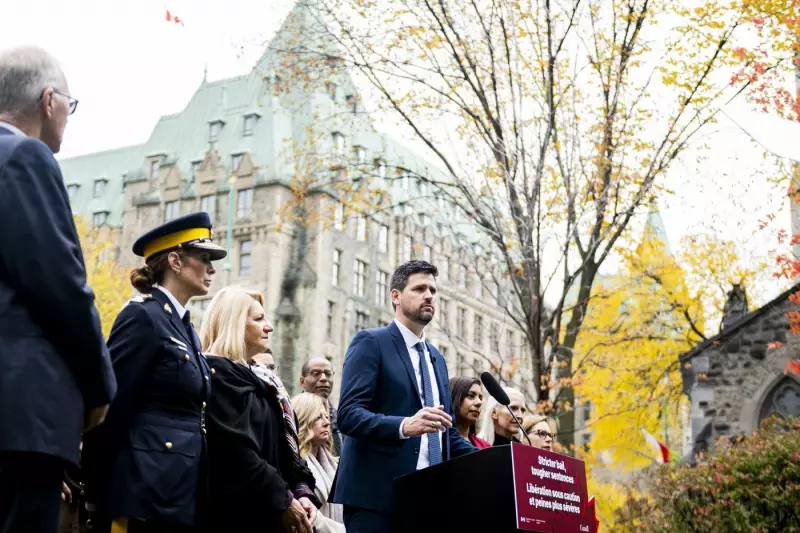
The political maneuvering occurs against the backdrop of Justice Minister Sean Fraser's leadership. Fraser, who also serves as the Attorney General of Canada and Minister Responsible for the Atlantic Canada Opportunities Agency, is the point person for the government's justice agenda. Any legislative changes proposed by the Liberals would flow through his office.
The Conservative push indicates they are prepared to challenge Minister Fraser's proposals and legacy directly. The date of January 18, 2026, marks the latest development in this protracted policy debate, which shows no signs of abating as both sides dig in on their positions.
Implications for Canada's Justice Landscape
The persistent Conservative pressure ensures that criminal justice reform will remain a hot-button issue in the House of Commons. This political contest has direct implications for potential legislation, sentencing guidelines, and the overarching legal framework governing crime and punishment in Canada.
For Canadians, the ongoing debate translates into a clear choice between competing visions for community safety and the role of the justice system. The outcome of this political struggle will shape laws and policies that affect cities and towns across the nation for years to come.
As both parties prepare for future electoral tests, their positions on crime and justice are likely to become even more sharply defined, making this a central pillar of political discourse in 2026 and beyond.