A significant portion of the American public remains unconvinced that the government has been fully transparent regarding the Jeffrey Epstein case, according to a new national poll. The survey, conducted by CNN and published on January 18, 2026, indicates that a month after a court-ordered deadline for releasing related documents, skepticism about official disclosures runs deep.
Widespread Distrust in Government Transparency
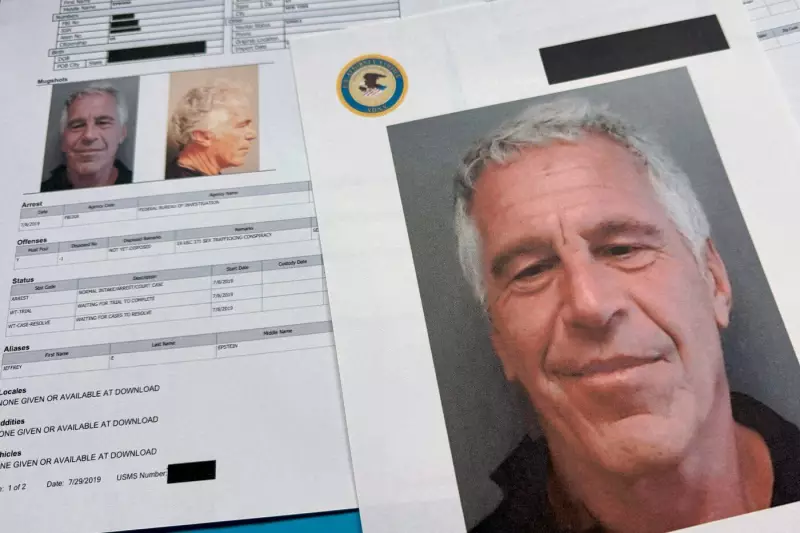
The poll's central finding reveals that a majority of Americans suspect intentional obfuscation by authorities. Respondents broadly believe that the U.S. government is deliberately holding back information connected to the late financier and convicted sex offender Jeffrey Epstein. This sentiment persists despite the U.S. Department of Justice's ongoing document releases, including a batch made public on January 2, 2026.
Context of the Document Releases
The public's skepticism is set against the backdrop of a protracted legal process. A federal judge had set a definitive deadline for the release of files related to the Epstein investigation, which passed one month prior to the poll's publication. While thousands of pages have been unsealed, the poll suggests that the pace and perceived redactions have fueled theories of a cover-up, undermining public confidence in the process.

The released documents have included depositions, legal motions, and evidence from civil cases, shedding light on Epstein's network. However, the CNN poll indicates that for many citizens, these disclosures have raised more questions than they have answered, leading to the prevailing belief that critical information remains hidden within government vaults.
Implications for Public Trust and Accountability
This poll underscores a critical erosion of trust in institutions tasked with justice and transparency. The Epstein case, with its connections to powerful figures in business, politics, and academia, has long been a flashpoint for conspiracy theories and allegations of a two-tiered justice system. The poll's results formalize a widespread public sentiment that official narratives are incomplete.
The enduring doubt highlights the challenges faced by the Department of Justice and other agencies in managing high-profile cases where public interest is immense. It suggests that merely following legal procedures for disclosure may be insufficient to convince a skeptical populace, especially in an era of heightened misinformation and deep political polarization.
Moving forward, the findings place additional pressure on officials to not only continue the document review and release process but also to communicate its scope and limitations more effectively to the public. The poll acts as a barometer of national sentiment, indicating that the quest for full accountability in the Epstein saga, in the eyes of many Americans, is far from over.