Climber Stands Trial for Allegedly Leaving Girlfriend to Die on Austria's Tallest Mountain
A man accused of abandoning his girlfriend to freeze to death on Austria's highest peak is set to face trial this Thursday. This high-profile case could establish significant legal precedents regarding the responsibilities and liabilities of mountain climbers for the safety of their companions in extreme alpine environments.
Case Details and Potential Legal Implications
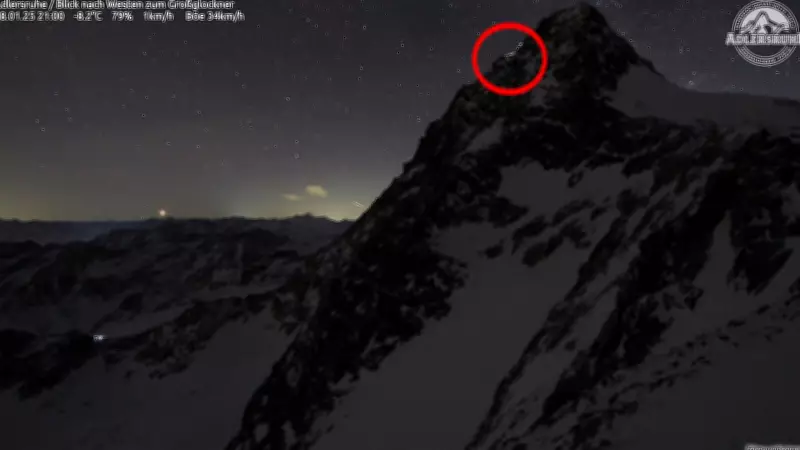
The incident occurred on Grossglockner, Austria's tallest mountain, which stands at an imposing 3,798 meters (12,461 feet). Prosecutors allege that the accused climber left his girlfriend in perilous conditions, leading to her tragic death from exposure. The trial is expected to scrutinize the specific circumstances of the abandonment, including weather conditions, the couple's preparedness, and the climber's actions during the emergency.
Legal experts suggest this case could redefine duty of care standards within the mountaineering community. Currently, climbers often operate under informal codes of conduct, but this trial might establish clearer legal obligations. The outcome could influence how climbing partners are held accountable in similar situations worldwide, potentially leading to stricter regulations or guidelines for group safety in high-risk activities.

Broader Impact on Mountaineering Community
The mountaineering world is closely watching this trial, as it addresses fundamental questions about partnership and responsibility in life-threatening scenarios. Many climbers adhere to the principle of "leave no one behind," but legal enforcement of such ethics remains ambiguous. This case might clarify whether climbers have a legal duty to assist companions, even at personal risk, or if individual survival decisions can be legally justified.
Furthermore, the trial could prompt climbing organizations and guide services to revise their safety protocols and training programs. Insurance policies for climbers might also be affected, with potential adjustments to coverage terms based on emerging liability standards. The proceedings may even influence rescue operations, emphasizing the importance of coordinated efforts and communication in emergencies.
Key aspects of the case include:- The specific timeline of events leading to the girlfriend's death
- Evidence regarding the climber's decision-making process
- Testimonies from other climbers or rescue personnel involved
- Expert analysis of alpine safety practices and ethical guidelines
As the trial unfolds, it will undoubtedly spark debates within both legal and outdoor communities about balancing personal survival instincts with collective responsibility. The verdict could set a landmark precedent, shaping how future climbing incidents are judged and potentially altering the very culture of mountaineering safety and accountability.