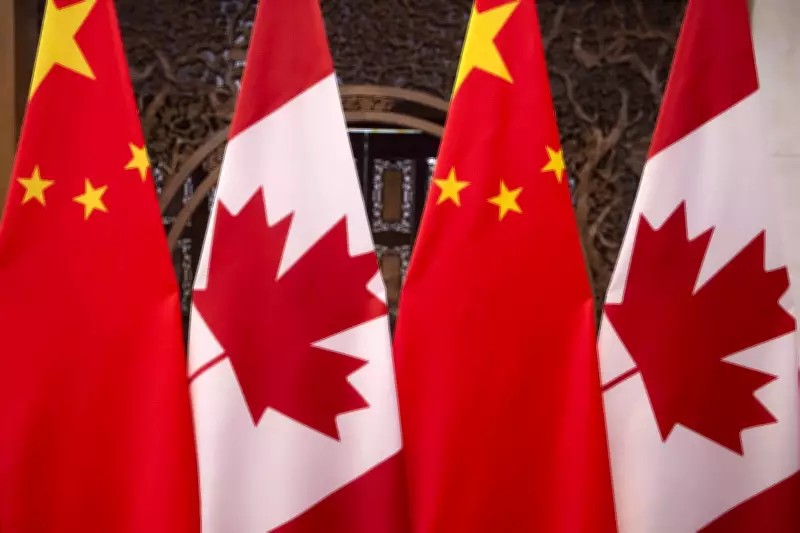
China Overturns Death Sentence for Canadian Citizen in High-Profile Drug Case
In a significant legal development, Chinese judicial authorities have overturned the death sentence previously imposed on a Canadian citizen convicted on drug-related charges. This decision marks a pivotal moment in a case that has drawn considerable international attention and has implications for bilateral relations between Canada and China.
Details of the Case and Judicial Review
The individual, whose identity has been widely reported in connection with the proceedings, was originally sentenced to death following a conviction under China's stringent anti-drug laws. The case involved allegations of drug trafficking, which carry severe penalties under the Chinese legal system. The recent appellate review resulted in the commutation of the sentence, though specific details regarding the new penalty or the exact charges remain under judicial scrutiny.
This reversal comes after a series of legal appeals and diplomatic engagements between Canadian and Chinese officials. It underscores the complexities of navigating international legal frameworks, particularly in matters involving capital punishment, which Canada opposes. The decision may reflect considerations of legal procedure, evidence review, or broader diplomatic factors influencing the judicial process.

Broader Context and International Implications
The case occurs against a backdrop of ongoing diplomatic tensions between Canada and China, which have included disputes over trade, human rights, and other judicial matters involving foreign nationals. Drug-related cases often serve as flashpoints in international relations, highlighting differences in legal standards and enforcement approaches between countries.
For Canada, this development is closely monitored by government agencies and advocacy groups focused on consular protection for citizens abroad. The overturning of the death sentence may be viewed as a positive step in safeguarding Canadian interests, though it also raises questions about the consistency and transparency of legal proceedings in such high-stakes international cases.
Experts in international law note that decisions like this can have far-reaching effects, potentially influencing future cases and diplomatic negotiations. They emphasize the importance of continued dialogue and legal cooperation to address cross-border issues effectively, ensuring fair treatment for individuals caught in the web of international jurisprudence.
As the situation evolves, further updates are expected regarding the individual's legal status and any subsequent actions by Canadian authorities. This case serves as a reminder of the intricate interplay between national sovereignty, legal systems, and international diplomacy in today's globalized world.