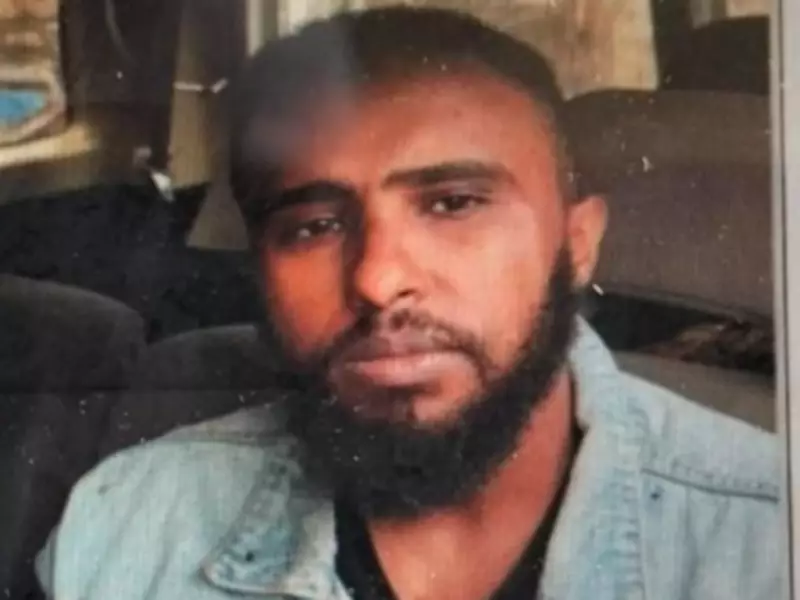
Canadian National Faces Terrorism Charges in Kenyan Mosque Machete Incident
A 32-year-old Canadian national has entered a plea of not guilty to terrorism charges stemming from a violent machete attack at a mosque in Nairobi, Kenya, which left five individuals injured. The incident, which occurred on February 28, has led to a multi-agency investigation involving Kenyan and Canadian authorities.
Details of the Attack and Charges
Mohamed Mohamed, also known as Mohamed Abdul Mohamed, has been formally charged with nine offenses, including committing a terrorist act, assault causing actual bodily harm, possession of counterfeit currency, and unlawful presence in Kenya. The charges were filed following the attack at the Masjid Westlands mosque, where the suspect allegedly posed as a worshipper during early morning prayers.
According to police reports, the suspect entered the mosque around 6 a.m., locked the main entrance, and then drew a machete to attack congregants. Officers from the Kileleshwa Police Station responded promptly, arresting the suspect at the scene and recovering the weapon. The injured victims were transported to local hospitals for medical treatment.

Investigation and Legal Proceedings
The investigation was conducted by detectives from the Directorate of Criminal Investigations (DCI) Kilimani, in collaboration with the Anti-Terrorism Police Unit. Key aspects of the probe included forensic examination of the crime scene, analysis of CCTV footage, and a digital review of the suspect's mobile phone. Authorities also verified his immigration status and coordinated with Canadian counterparts for background checks.
During his appearance before the Kahawa Law Courts on Thursday, Mohamed pleaded not guilty to all charges. He has been remanded at Kamiti Maximum Prison, with his next court date scheduled for April 13 to review a pre-bail report. Additional evidence was recovered from his residence in Nairobi's Riverside area, including a black Toyota Harrier vehicle found at the scene.
Broader Implications and Context
This case highlights ongoing concerns about terrorism and international security, particularly involving foreign nationals. The involvement of Canadian authorities underscores the cross-border nature of such investigations, aiming to ensure justice and prevent future incidents. The attack has drawn attention to the need for enhanced security measures at places of worship and collaborative efforts between nations to combat extremism.
As the legal process unfolds, further details may emerge regarding the suspect's motives and connections. The Kenyan judicial system will continue to handle the case, with potential implications for bilateral relations and counter-terrorism strategies.