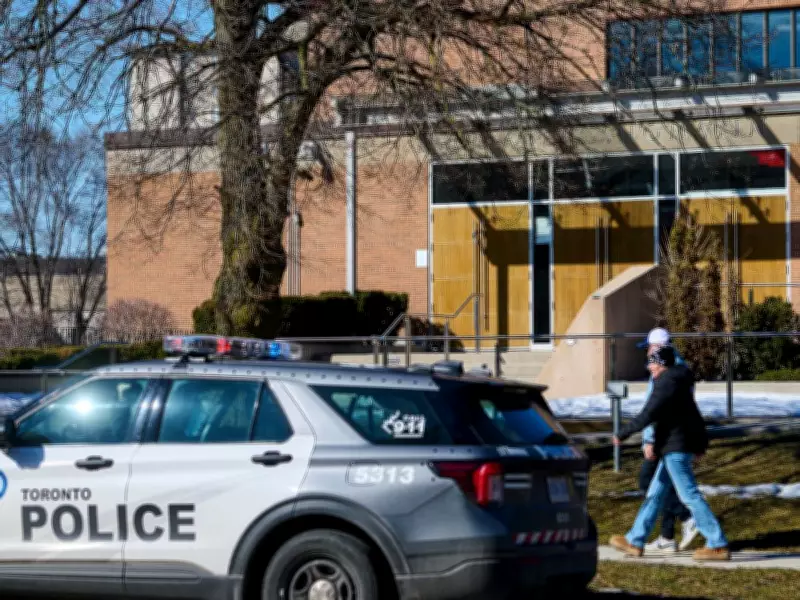
In a shocking series of events, three synagogues in the greater Toronto area were targeted by gunfire within a single week, sparking widespread alarm and condemnation. Despite strong words from Canadian leaders, concrete actions have been minimal, leaving the Jewish community feeling vulnerable and unprotected. This escalation follows previous incidents where children were threatened for attending camp by pro-Palestinian groups, and masked individuals affiliated with pro-Hamas movements repeatedly disrupted neighbourhood gatherings, often met with indifference.
A National Emergency Unfolds
In response to the attacks, the federal government allocated $10 million to safeguard Jewish institutions. However, critics argue this amount is insufficient and insulting, given the community's significant contributions to Canadian society. Many view this as an admission that authorities are unable to provide adequate protection. To prevent further violence, there are urgent calls for police presence at every Jewish institution nationwide, regardless of cost, emphasizing that this situation constitutes a national emergency requiring immediate and decisive measures.
Steps to Combat the Crisis
The first priority must be defending and protecting the Jewish community from violence and terrorism, as witnessed in recent attacks. The second step involves rooting out the evil that has been allowed to fester in Canada, particularly since the events of October 7 and earlier. History shows that words often precede actions, and it is no surprise that threats against the Jewish community have repeatedly escalated into violence. Letters to the prime minister have gone unanswered, and despite meetings with police and political leaders, little tangible action has resulted, highlighting a gap between rhetoric and reality.

Legislative Failures and Proposals
Even the Combating Hate Act, known as Bill C-9, has stalled in Parliament, with politicians accused of prioritizing their own interests over public safety. While some doubt its effectiveness in protecting synagogues or banning protests near religious sites, others argue that a key clause in the bill could be transformative. By removing the cumbersome requirement for attorney general consent to prosecute hate crimes, police could make swift arrests, allowing courts to assess the severity of offenses. If this provision alone were enacted, it could serve as a major deterrent against targeting the Jewish community.
Dismantling Deterrents and Broken Promises
Compounding the crisis, Canada recently shut down the office of the Special Envoy on Preserving Holocaust Remembrance and Combatting Antisemitism, established in 2009. This office served as a constant reminder of the government's obligations, but its closure leaves only vague promises about forming an Advisory Council on Rights, Equality, and Inclusion. In March 2025, at the National Forum on Combatting Antisemitism in Ottawa, Canada pledged to enhance law enforcement, pursue legislative reforms, and improve education and awareness. Yet, in light of the synagogue shootings, these commitments appear hollow, demanding accountability and urgent implementation to protect the public from further harm.