Canada's Erosion of Social Trust: From Urban Centers to Small Towns
During the recent Easter and Passover holidays, heavily armed police officers were deployed to guard religious worship sites in Toronto. This visible security presence represents a significant departure from the characteristics of a high-trust society and points toward what many observers describe as the increasing barbarization of Canadian communities.
Church Arsons and Religious Property Destruction
Over the same Easter weekend, another historic church property in Miramichi was torched, continuing a disturbing trend that has emerged across the country. Since the furor that followed the Kamloops unmarked graves report in 2021, at least 238 Canadian churches have been burned or damaged. This statistic, more befitting conflict zones in Nigeria or the Middle East, highlights a troubling erosion of respect for religious institutions in Canada.
The Characteristics of High-Trust Societies
High-trust societies are defined by several key characteristics:

- Confidence that religious institutions will remain standing and secure
- Neighborhoods where residents can leave doors unlocked without fear
- Communities where children's bicycles can remain in front yards without risk of theft
These qualities reflect a society where strangers broadly agree on behavioral norms and respect the rules established by their communities. A strong, confident country demands that visitors and residents alike uphold these shared standards.
Urban Security Concerns in Affluent Areas
In Toronto's prestigious Rosedale neighborhood, residents are increasingly turning to reinforced glass, door bracers, and enhanced surveillance systems as break-ins and home invasions proliferate. This security escalation in one of Toronto's wealthiest areas demonstrates that crime concerns are no longer confined to traditionally high-risk neighborhoods.
Toronto's own municipal data confirms that disorder and lawbreaking on city transit systems represent a growing public concern. Even suburban areas, once considered safe havens from urban crime, are experiencing similar security challenges.
Violent Incidents Across Ontario
On August 31 of last year, 46-year-old Abdul Aleem Farooqi was shot and killed in his Vaughan home just after midnight. The shooter was part of a band of armed, masked intruders attempting to rob the residence. On the same day in Welland, another home invader sexually abused a toddler while the parents slept. 25-year-old Daniel Senecal, a repeat sex offender on parole and known to police, was subsequently charged with this horrific crime.
West Coast Crime Patterns
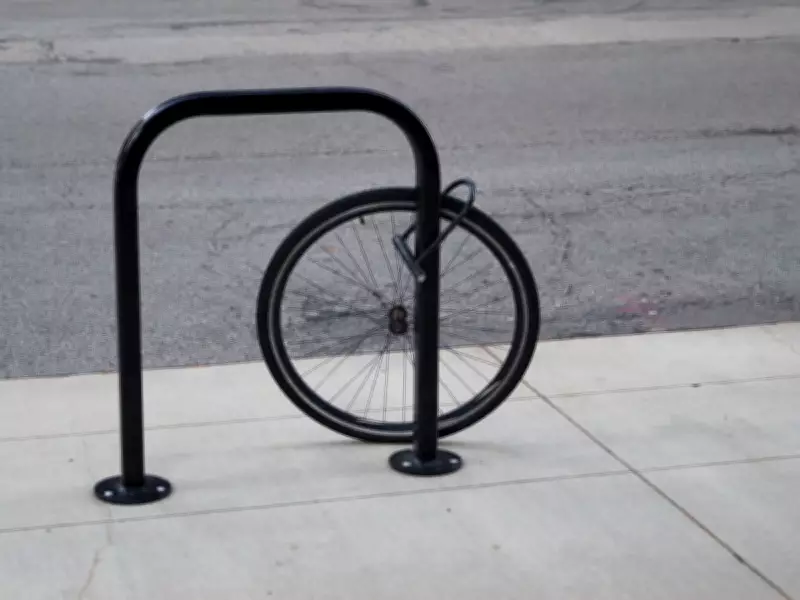
Those seeking refuge from Ontario's security concerns might consider Vancouver's warmer shores, but the Pacific city presents its own challenges. Vancouver has developed both a vibrant cycling culture and a correspondingly active bike theft industry. In 2016, Vancouver led all Canadian cities with 513 stolen bicycles per 100,000 people.
Little has changed in the intervening decade. Just last month, the Vancouver Police Department reported recovering a bicycle in the Downtown Eastside that had been stolen from the affluent suburb of North Vancouver across Burrard Inlet. The theft occurred during a break-and-enter incident.
North Vancouver was also the site of a brutal assault in February during a home invasion that police described as targeted. Harjot Singh Samra, Gary Gurpreet Dhillon, Sahajdeep Singh Khunkhun, and Shane Aaron Naicker were charged in connection with this violent crime.
The State's Role in Maintaining Social Trust
Canada does not officially demand that strangers respect community rules or uphold social norms, nor has the state demonstrated consistent capability in maintaining standards of trust and commonality. This represents a significant departure from the expectations placed on governmental authorities in maintaining social cohesion.

The proliferation of security measures in both urban centers and small towns, combined with increasing incidents of property destruction and violent crime, suggests that Canada is experiencing a systemic erosion of social trust that requires urgent attention from both policymakers and community leaders.