Calgary Police Officer Cleared of Charges After Shooting Suspect in SUV Incident
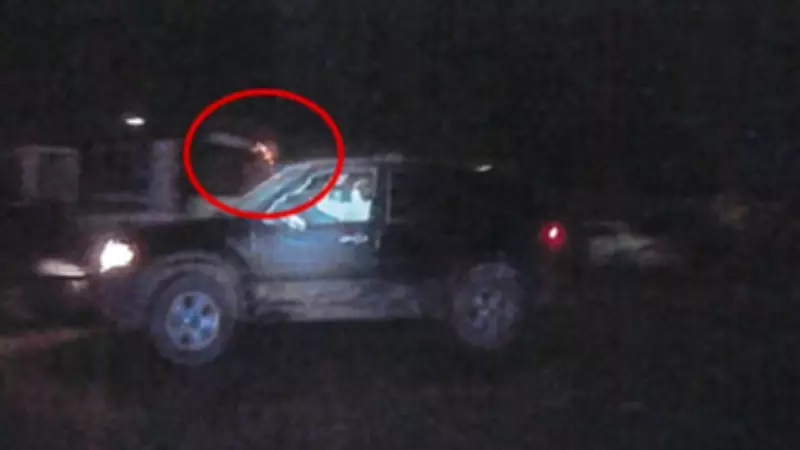
The Alberta Serious Incident Response Team (ASIRT) has concluded its investigation into a Calgary police officer who opened fire on an SUV containing two suspects, determining that while there were reasonable grounds for the shooting, no criminal charges will be filed. The incident, which occurred in Calgary, involved an officer responding to a situation where one of the suspects had allegedly taken shots at him.
Details of the Incident and ASIRT's Findings
According to ASIRT, the officer was justified in using lethal force due to the immediate threat posed by the suspects. The watchdog agency stated that the officer's actions were necessary to protect himself and the public, given the circumstances. The investigation reviewed evidence including witness statements, police reports, and forensic analysis to reach its conclusion.
Key points from the ASIRT report include:

- The officer encountered the SUV with two suspects inside, one of whom was armed and had fired at the officer.
- The officer discharged his firearm in response to the perceived threat, striking the vehicle.
- No injuries were reported from the shooting, but the suspects were later apprehended.
- ASIRT found that the officer acted within the scope of his duties and in accordance with police protocols.
Context and Broader Implications
This case highlights the complex decisions law enforcement officers must make in high-pressure situations. ASIRT's role is to provide independent oversight of police actions in Alberta, ensuring accountability and transparency. The decision not to press charges underscores the legal standards for use of force, which require officers to respond proportionally to threats.
Similar incidents across Canada have sparked debates about police conduct and oversight mechanisms. In recent years, ASIRT has investigated numerous cases involving police shootings, with outcomes varying based on the specifics of each situation. This ruling may influence future training and policies for Calgary police, emphasizing de-escalation techniques while acknowledging the need for self-defense.
The Calgary Police Service has stated that it will review ASIRT's findings and may implement additional measures to enhance officer safety and public trust. Community leaders have called for continued dialogue on police-community relations, particularly in light of this incident.
Conclusion
ASIRT's investigation into the Calgary officer's shooting has concluded with no charges, citing reasonable grounds for the use of force. This outcome reflects the challenging nature of police work and the legal frameworks governing such actions. As discussions on policing and accountability evolve, this case serves as a reminder of the balance between officer safety and public scrutiny.