A man from British Columbia has been ordered to face justice south of the border. The B.C. Supreme Court has granted a U.S. request to extradite the individual, who stands accused of orchestrating a fraudulent sweepstakes operation that targeted victims through mass mailings.
Court Approves Cross-Border Transfer
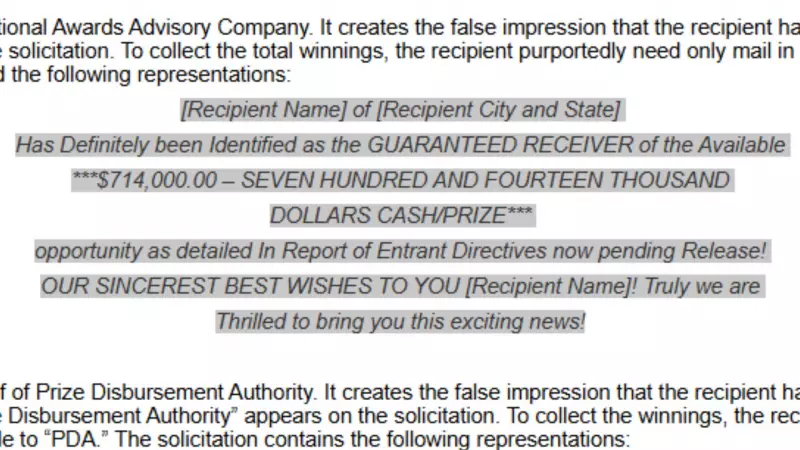
The decision, handed down on December 5, 2025, paves the way for the accused to be transferred to American authorities. The case centers on allegations of a deceptive mass-mailing scheme designed to trick people into believing they had won a prize or sweepstakes. U.S. investigators provided evidence, including a text reproduction of a solicitation message, which was highlighted in the Canadian court's ruling.
Details of the Alleged Fraud
While specific details of the fraud scheme were not fully disclosed in the court summary, such operations typically involve sending official-looking letters or notices to thousands of potential victims. These communications falsely inform recipients that they have won a large sum of money or a valuable prize. To claim their supposed winnings, victims are often instructed to pay upfront fees, taxes, or processing charges, sending money to the fraudsters while receiving nothing in return.

The approval of extradition by the B.C. Supreme Court indicates that the judges found sufficient evidence to meet the legal threshold for sending the accused to the United States for trial. This process ensures that individuals accused of serious crimes can be held accountable, even when their alleged schemes cross international borders.
Implications and Next Steps
The ruling underscores the collaborative efforts between Canadian and U.S. law enforcement in combating transnational fraud. With the extradition granted, the B.C. man will now be surrendered to U.S. officials to face the formal charges against him. If convicted, he could face significant penalties under American law.
This case serves as a reminder for the public to be extremely cautious of unsolicited communications promising large windfalls. Legitimate sweepstakes and lotteries do not require winners to pay fees to receive their prizes. Authorities advise consumers to independently verify any such claims through official channels before sending money or personal information.