B.C. Civil Forfeiture Lawsuit Challenges Constitutionality of Property Seizures
A controversial proposed class-action lawsuit has been filed in British Columbia, seeking to declare the province's Civil Forfeiture Act unconstitutional. The lawsuit alleges that the act violates the Charter of Rights and Freedoms by allowing authorities to seize property without requiring proof that a crime has been committed.
Legal Challenge Against Civil Forfeiture Practices
The lawsuit was initiated by Bobby Shah, a local chemical seller, on behalf of all British Columbians whose property has been seized by the B.C. Civil Forfeiture Office. Shah contends that the province is abusing its authority by attempting to seize his house and the property of others without establishing criminal guilt.
The legal action argues that civil forfeitures improperly shift the burden of proof to property owners, relying on suspicion, unexplained wealth, or alleged associations rather than concrete evidence of wrongdoing. The lawsuit specifically targets cases where property is seized based on historic criminal convictions unrelated to the property in question or when the province relies on findings from other countries.

Specific Allegations in the Maple Ridge Case
The class-action lawsuit follows a separate civil forfeiture case filed approximately two months earlier, which seeks to seize Shah's $3.6 million house in Maple Ridge. Authorities allege the property was purchased with proceeds of crime or used as an instrument of crime.
Shah has filed a response maintaining his legitimacy as a businessman and asserting that the house was bought and maintained by his ex-wife, Ramina Shah, using legal funds. Ramina Shah has since died in an unsolved murder, adding complexity to the case.
RCMP Raid and Chemical Findings
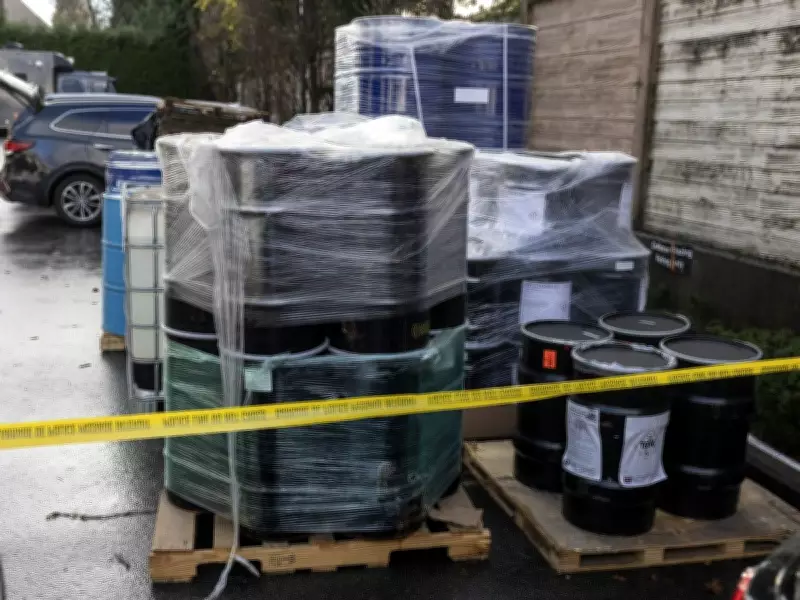
In December 2024, the RCMP conducted a raid on the Maple Ridge property, discovering more than 44,000 liters of hazardous chemicals. These included precursors for fentanyl and methamphetamine, along with 255 kilograms of white-powdered substances.
The forfeiture lawsuit claims Shah lacked legitimate income to purchase the 7,000-square-foot house and cites a U.S. Treasury Department investigation from October 2023. In that investigation, Shah and 25 others were sanctioned for affiliations with a China-based criminal organization involved in manufacturing for U.S. drug traffickers, dark web vendors, cryptocurrency money launderers, and Mexico-based cartels.
Broader Implications for Property Rights
The lawsuit identifies potential class members as individuals who have had property seized without being convicted of a crime directly related to that property's purchase and upkeep. This includes cases where the province relies on findings or sanctions from another country or uses historic criminal convictions unrelated to the seized assets.
Shah specifically notes that the province references "historic criminal convictions dating from 20 to 26 years ago" that are unrelated to drugs or any conduct alleged in the forfeiture proceeding. The lawsuit argues this practice represents an overreach of governmental authority.
Business and Regulatory Context
Shah owns Valerian Labs in Port Coquitlam, a business that has faced regulatory scrutiny. According to the forfeiture lawsuit, Shah or his company purchased precursor chemicals and equipment from the criminal syndicate identified in the U.S. sanctions.
Health Canada revoked Shah's permits in October 2023 following the announcement of U.S. sanctions, and his subsequent appeal in Canada's Federal Court was unsuccessful. The lawsuit notes that Shah lacked proper permits to store the chemicals found during the RCMP raid.
This legal challenge raises fundamental questions about the balance between law enforcement powers and constitutional protections for property owners in British Columbia.