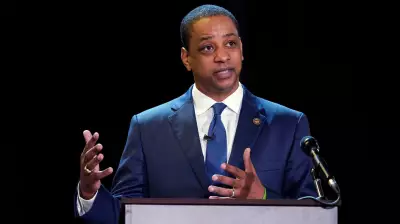
In a landmark decision that challenges a long-standing tradition, the Alberta Court of Appeal has ruled that a lawyer cannot be compelled to swear an oath of allegiance to the monarch. The unanimous ruling, delivered on Tuesday, December 19, 2025, centers on a religious freedom challenge by lawyer Prabjot Singh Wirring.
A Challenge Based on Faith
Prabjot Singh Wirring, an Amritdhari Sikh, argued that the mandatory oath to "be faithful and bear true allegiance to Her Majesty Queen Elizabeth the Second" violated his religious beliefs. He contended that his strict faith prohibits pledging fealty to anyone or anything other than God. The court agreed, concluding that the requirement forced Wirring into an impossible choice between his convictions and his legal career in his home province.
The court presented the Law Society of Alberta with three options to remedy the situation: eliminate the monarchical oath entirely, make it optional, or remove the specific phrase "bear true allegiance" from the text. This aligns Alberta with several other provinces that have already modified or removed the requirement.

The Heart of the Legal Debate
The case hinged on the fundamental interpretation of the oath's meaning. In his initial challenge, Wirring's case was dismissed by Justice B.B. Johnston of the Court of King’s Bench of Alberta. Justice Johnston ruled that Wirring's inability to take the oath stemmed from a misunderstanding of its symbolic nature, not a direct conflict with his religious beliefs.
The lower court judge emphasized that the oath is not a pledge to the individual monarch as a person. Instead, it is a commitment to the Crown as the enduring embodiment of Canada's constitutional government and rule of law. This interpretation is why oaths do not need renewal upon a monarch's death.
Appeal Court Overturns Lower Court Ruling
The Alberta Court of Appeal, while acknowledging the symbolic meaning of the Crown, prioritized the charter-protected right to religious freedom. The judges stated, "We agree with the chambers judge that, correctly interpreted, the oath of allegiance is not directed at the Queen as a person; its object is the rule of law and the Canadian system of constitutional government."
However, they ultimately found that forcing an individual to violate a core tenet of their faith to participate in the legal profession was unconstitutional. The ruling effectively excuses Wirring, and potentially others in similar situations, from pledging allegiance to a symbol he cannot in conscience affirm, even if the state views that symbol as representing Canada itself.
The decision is pending potential appeal, but as it stands, it marks a significant shift in how a foundational professional requirement is balanced against individual Charter rights in Alberta's legal system.