Accused in B.C. Mountie Murder Case Deemed Mentally Unfit for Trial
In a significant legal development, Jongwon Ham, the individual accused of killing RCMP Constable Shaelyn Yang in British Columbia, has been found mentally unfit to stand trial. This ruling, delivered by the court, halts criminal proceedings and shifts the focus to Ham's mental health treatment and potential future fitness assessments.
Background of the Tragic Incident
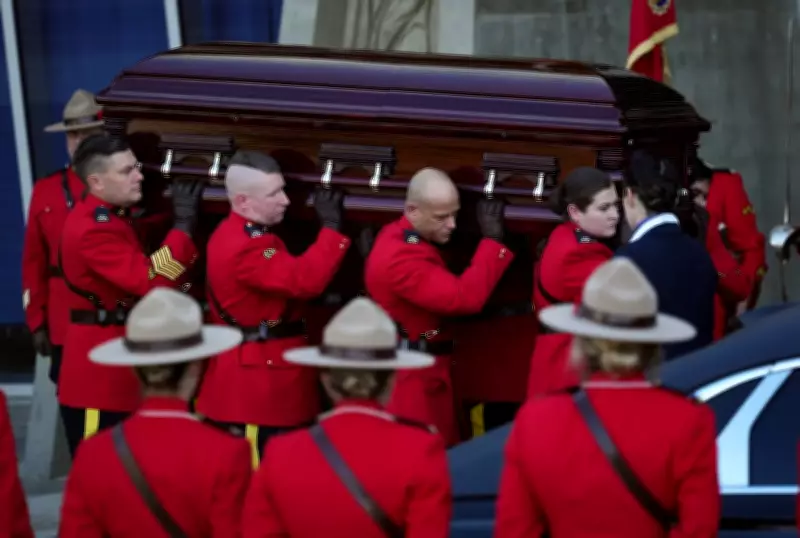
Constable Shaelyn Yang, a dedicated member of the Royal Canadian Mounted Police, was fatally shot in the line of duty in October 2022. Her death sent shockwaves through the law enforcement community and the public, leading to a widespread investigation. The regimental funeral held in Richmond, B.C., on November 2, 2022, saw pallbearers in red serge carrying her casket, a poignant tribute to her service and sacrifice.
Jongwon Ham was subsequently arrested and charged with her murder, with the case drawing intense media scrutiny and public interest. The proceedings have been closely watched as a test of the justice system's handling of high-profile violent crimes.

Legal Implications of the Mental Fitness Ruling
The court's determination that Ham is mentally unfit for trial means he cannot currently participate in his defense or understand the legal process. Under Canadian law, this triggers a review under the Criminal Code, where the accused may be referred to a psychiatric facility for treatment. The goal is to restore fitness so that a trial can proceed, but this process can be lengthy and uncertain.
This ruling raises complex questions about balancing accountability for violent acts with the rights of individuals suffering from severe mental illness. Legal experts note that such cases often involve detailed psychiatric evaluations and may lead to ongoing supervision rather than traditional incarceration if fitness is not restored.
Impact on the RCMP and Community
Constable Yang's death has had a lasting impact on the RCMP and the broader community in British Columbia. Her colleagues and family have mourned her loss, with the funeral highlighting the risks faced by law enforcement officers. The mental fitness ruling may bring mixed reactions, with some seeking closure through a trial and others emphasizing the need for mental health considerations in justice.
This case underscores the challenges in addressing mental health within the criminal justice system, particularly in incidents involving police fatalities. It also reflects broader societal issues, such as access to mental health care and support for first responders.
Next Steps and Ongoing Developments
With Ham declared unfit, the legal process will now focus on his treatment and periodic reviews to assess any changes in his mental state. Authorities will monitor his progress, with the possibility of a trial resuming if he is deemed fit in the future. Meanwhile, the RCMP and community continue to honor Constable Yang's memory, advocating for officer safety and mental health awareness.
This ruling adds to a growing dialogue about how mental health intersects with criminal responsibility, especially in high-stakes cases. As the situation evolves, it will likely influence policy discussions and legal practices in Canada and beyond.