A suburb of Detroit has agreed to pay a substantial settlement of US$3.25 million to resolve a lawsuit stemming from a horrific incident where a woman declared dead by paramedics was later discovered alive at a funeral home.
A Tragic Sequence of Errors
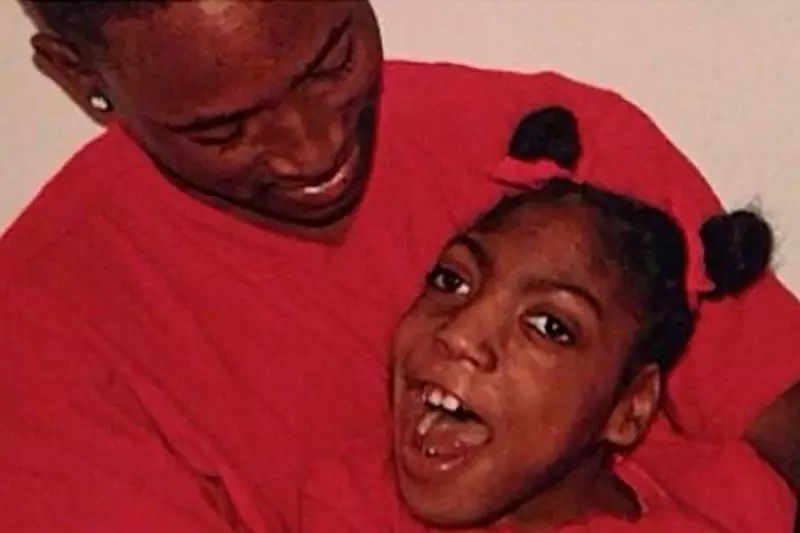
The case centres on Timesha Beauchamp, a young woman from Southfield, Michigan. In August 2020, paramedics from the suburban Detroit fire department responded to a medical call for Beauchamp. After their assessment, they declared her deceased. Following protocol, her body was released to a local funeral home.
However, in a shocking turn of events, staff at the funeral home made a chilling discovery: Beauchamp was still alive inside the body bag. She was immediately rushed to a hospital but tragically passed away weeks later, on October 18, 2020, at Children's Hospital in Detroit. The settlement, announced in early January 2026, resolves the wrongful death lawsuit filed by her family.

Paramedics' Licenses Conditionally Reinstated
In a related development, Michigan authorities have reached an agreement regarding the emergency medical workers involved. The state has agreed to reinstate the licenses of two paramedics under a specific condition. They must successfully pass a national recertification exam.
This decision comes after their licenses were suspended following the catastrophic failure in patient assessment that led to Beauchamp being mistakenly declared dead. The conditional reinstatement highlights the regulatory aftermath of the case, balancing accountability with a path back to work for the medical personnel.
Lasting Impact and Legal Resolution
The $3.25 million settlement with the Detroit suburb marks the financial conclusion of the civil litigation brought by Beauchamp's family, represented by Fieger Law. The funds are intended to provide some measure of compensation for the unimaginable ordeal, which began with a medical emergency and escalated into a profound systemic failure.
This case has cast a long shadow over emergency medical response protocols and the procedures for determining death outside of a hospital setting. It serves as a stark reminder of the critical need for rigorous checks and balances in high-pressure medical situations to prevent such unthinkable errors. While the settlement provides legal closure, the tragedy of Timesha Beauchamp's final months continues to resonate.