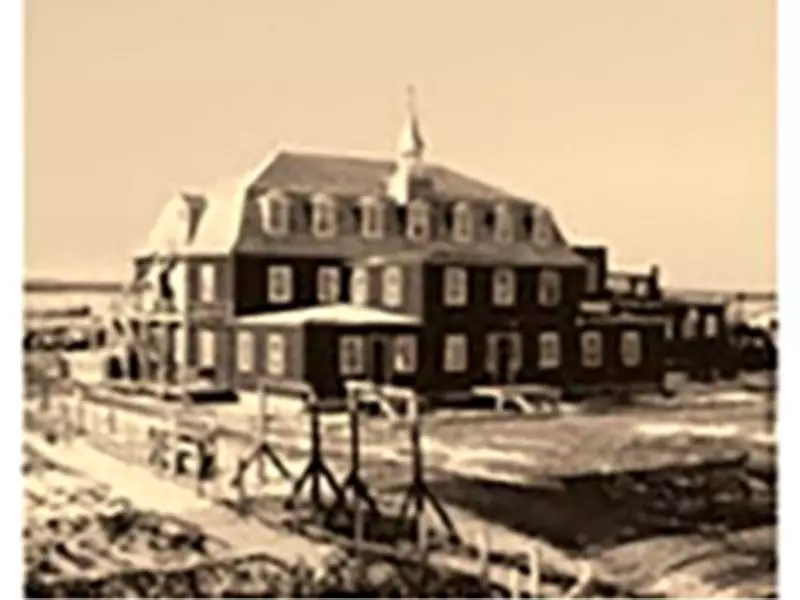
$27-Million Settlement Agreement Advances for Saskatchewan Residential School Survivors
A $27-million settlement agreement represents the next crucial step toward closure for survivors and family members of students who attended a Saskatchewan residential school, according to plaintiffs in a long-running class action lawsuit. This development follows what one survivor describes as "a long and hard fight for recognition" of the suffering endured at the institution.
Court Approval Process Set for March
An agreement in principle was initially reached in 2025 between the federal government and representatives of former students of île-à-la-Crosse residential school. Now, with details finalized, the settlement will go before a Court of King's Bench justice for approval in March. According to federal officials, the court "will look at whether the settlement is fair, reasonable, and in the best interests" of former students and their family members.
Louis Gardiner, a boarding school survivor and steering committee member, expressed cautious optimism about the process. "This stage comes only after a long and hard fight for recognition of what we endured at the île-à-la-Crosse residential school," Gardiner stated. "If court approval is granted, I believe this settlement will help us toward a healthier future."

Historical Context of île-à-la-Crosse Residential School
The île-à-la-Crosse residential school, also referred to as île-à-la-Crosse boarding school or mission school, holds the distinction of being one of the oldest residential schools in Canada. Operating from the 1820s until 1976, when it burned down, the institution saw approximately 1,500 students pass through its doors. Most attendees were Métis children from northern Saskatchewan.
Children were systematically removed from their homes and subjected to forced assimilation policies. Survivors report experiencing:
- Physical, sexual, and psychological abuse by staff
- Separation from siblings attending the same school
- Prohibition from speaking their native languages
- Forced English language instruction
Many students were under the age of 10 when they entered the institution, facing these traumatic conditions during formative years.
Compensation Details and Healing Funds
Under the terms of the finalized agreement:
- Those who attended the school for less than five years will receive up to $10,000
- Those who attended for five years or more will receive up to $15,000
Additionally, Ottawa has committed to providing $10 million to support healing initiatives, including education programs, language protection efforts, and commemoration activities for former students. These funds will be administered through a non-profit organization dedicated to supporting survivors and preserving cultural heritage.
Long Road to Recognition and Previous Apologies
Notably, the île-à-la-Crosse residential school was excluded from the list of institutions covered by the Indian Residential School Settlement Agreement of 2006. This omission prompted survivors to launch a proposed class action lawsuit against both federal and provincial governments in January 2023, seeking compensation similar to that awarded to other residential school survivors.
The settlement announcement follows significant acknowledgments from government officials. Saskatchewan Premier Scott Moe issued an apology last September for the province's role in the school's operation, with the provincial government agreeing to pay $40 million to former students. The federal government emphasized that since reaching the agreement in principle last year, both sides have been "working to find a fair, compassionate, and respectful way to resolve the litigation."
This settlement represents more than financial compensation—it signifies a formal recognition of historical wrongs and a commitment to supporting the healing journey of survivors and their communities after generations of injustice.