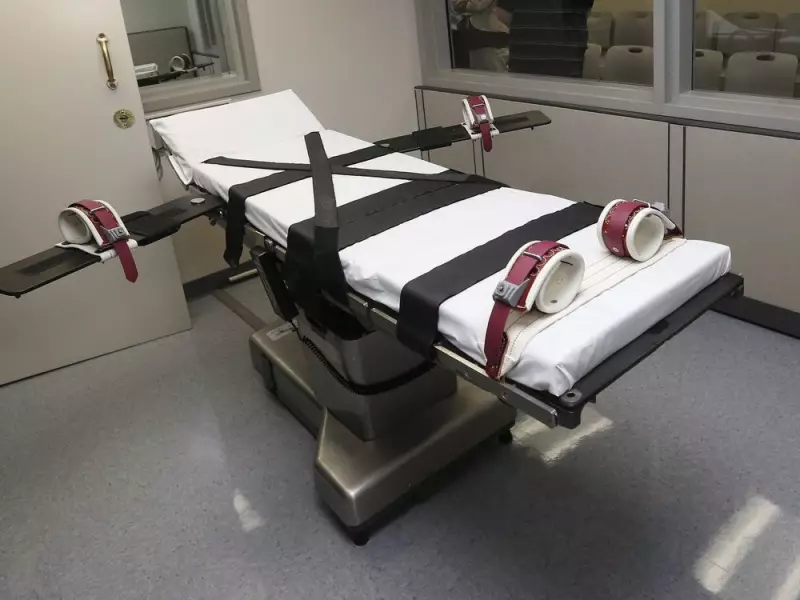
The machinery of capital punishment in the United States is set to operate at a measured pace in 2026, with a current list of just 16 condemned individuals scheduled to die. This comes on the heels of a particularly active year in one state that dramatically reshaped the recent landscape of the death penalty.
Florida's Record-Shattering 2025
The most striking development precedes this year's schedule. In 2025, the state of Florida alone carried out a historic number of executions. The Sunshine State executed 19 individuals, a number that more than doubled its previous record of eight executions. This surge in state-sanctioned deaths marked a significant intensification of capital punishment activity within a single jurisdiction.
The planned executions for the current year are not concentrated in a single region. Executions are scheduled across five different states. Leading the contingent is Texas, a state long associated with a high volume of capital punishment. The other states with executions on the docket for 2026 are not named in the initial report but represent a continued, if limited, application of the ultimate penalty.

The Federal Death Penalty Pause
Notably absent from the 2026 execution calendar are any federal prisoners. No federal executions are currently scheduled for the year. This represents a distinct pause following a period of federal execution activity under previous administrations. The focus remains entirely on the state level, highlighting the decentralized nature of capital punishment in America, where individual states set their own policies and paces.
The provided information notes that the source material includes a detailed list of the individuals facing execution this year, though that specific list is not reproduced here. The overall picture is one of a nation where the death penalty remains a legal reality, but its application is variable and subject to the political and judicial climates of individual states.
A Comparative Look at Capital Punishment
The trajectory from Florida's exceptionally high number of executions in 2025 to a total of 16 planned nationally in 2026 underscores the erratic and state-dependent nature of the system. While some states like Florida and Texas continue to actively use the death penalty, many others have imposed moratoriums or abolished it entirely. The current year's planned executions, therefore, represent the ongoing practice in a minority of U.S. jurisdictions.
The apparatus for carrying out executions, often referred to in stark terms like "the death machine," continues to operate, but its gears turn at different speeds across the country. The record set in Florida stands as a recent, potent example of its capacity, while the 2026 schedule suggests a return to a lower baseline of activity on the national stage, absent any federal involvement.