Survivors Share Stories at Regina Gathering on Residential Schools and '60s Scoop
In a powerful community gathering held in Regina, Saskatchewan, Indigenous survivors of residential schools and the '60s Scoop came forward to share their personal stories and experiences. The event, which took place on Thursday, provided a platform for voices often marginalized in historical narratives, emphasizing the deep and lasting impacts of these traumatic policies.
Personal Testimonies Highlight Ongoing Healing
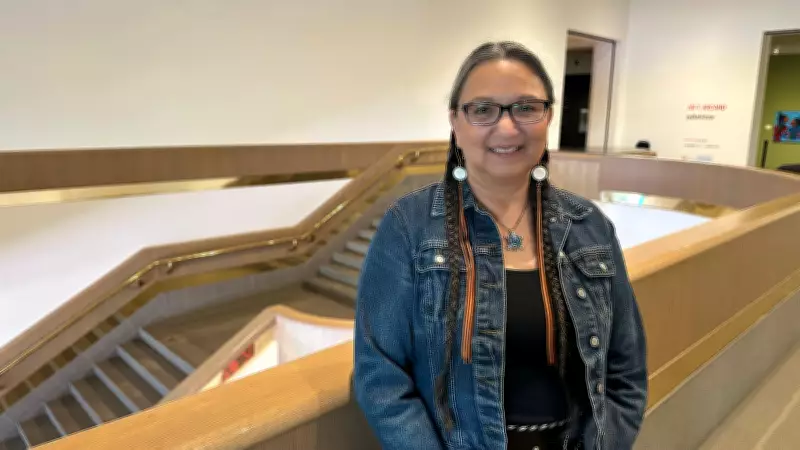
Among the speakers was Ji-gaabiikwe, also known as Diane Campeau, a survivor of the '60s Scoop. She recounted her journey, detailing the emotional and cultural disconnection caused by being removed from her Indigenous family and community as a child. Her testimony underscored the intergenerational trauma that continues to affect Indigenous families across Canada.
The '60s Scoop refers to a period in Canadian history from the 1950s to the 1980s when thousands of Indigenous children were taken from their homes and placed in non-Indigenous foster care or adopted out, often without consent. This practice, alongside the residential school system, has been widely condemned for its role in cultural genocide and the disruption of Indigenous communities.

Community Support and Advocacy Efforts
The gathering in Regina served not only as a space for sharing but also as a call to action for continued support and reconciliation. Attendees, including community leaders and allies, discussed the importance of acknowledging this painful history and working towards healing and justice. Events like these are crucial for raising awareness and fostering understanding, said one organizer, highlighting the need for ongoing dialogue and education.
Survivors emphasized that while sharing their stories can be difficult, it is a vital step in the healing process. They called for increased resources for mental health services, cultural revitalization programs, and policies that address the systemic inequalities faced by Indigenous peoples. The resilience and strength of these survivors were palpable, inspiring others to join in advocacy efforts.
Broader Context and National Implications
This event in Regina is part of a larger national movement, as communities across Canada continue to grapple with the legacy of residential schools and the '60s Scoop. Recent years have seen increased public attention, driven by discoveries of unmarked graves at former residential school sites and calls for accountability from governments and institutions.
In Saskatchewan, where Indigenous communities make up a significant portion of the population, such gatherings hold particular significance. They contribute to local and national conversations about reconciliation, as outlined in the Truth and Reconciliation Commission's calls to action. By listening to survivors, we honor their experiences and commit to a better future, noted a participant at the event.
As the stories shared in Regina resonate beyond the city, they remind us of the ongoing need for compassion, action, and solidarity in addressing historical injustices and supporting Indigenous healing and self-determination.