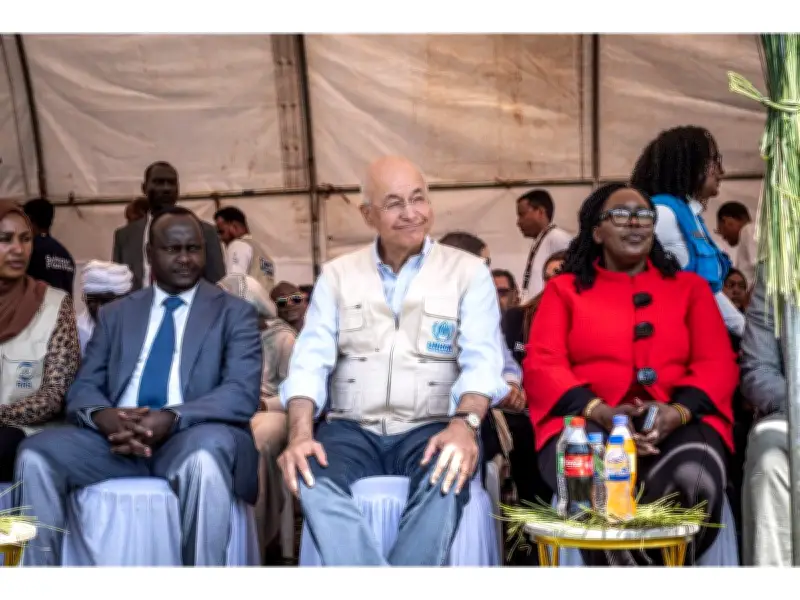
On June 20, 2026, World Refugee Day, the United Nations High Commissioner for Refugees Barham Ahmed Salih attended an event at the Ura Refugee Site in Ethiopia, highlighting the global refugee crisis. In Canada, Yazdan Nikoo, a master of social work and juris doctor student at the University of Windsor and an intern at Legal Assistance of Windsor (LAW), co-wrote a reflection with Shelley Gilbert urging Canadians to stay rooted in human rights during times of political inconvenience.
Refugees Are People, Not Statistics
Nikoo, who came to Canada as an immigrant from Iran, recalls his family arriving with hope and uncertainty, seeking safety. He emphasizes that refugees are not policy debates or talking points but individuals seeking a chance to study, work, contribute, and belong. Today, he works with newcomers, refugees, and migrants rebuilding their lives at LAW, where he witnesses people fleeing war, navigating language barriers, and living in motels due to housing shortages.
False Narratives Undermine Immigration Systems
Nikoo argues that while Canada has the right to maintain an orderly immigration system, conversations framing human beings as threats are dangerous. He notes that fear is a powerful political tool, especially when housing, healthcare, and economic pressures mount. Refugees did not cause Canada's housing crisis, inflation, or public service strains; many experience these same struggles. Gauri Sreenivasan, co-executive director of the Canadian Council for Refugees, warned that narratives wrongly blaming newcomers for housing and social pressures are false and dangerous, undermining confidence in the immigration system.

Choosing Empathy Over Suspicion
The Canada Nikoo fell in love with was defined by compassion, not fear. He recalls teachers helping newcomer students, neighbours welcoming families with limited English, and community organizations aiding with housing and employment. He urges Canadians to choose empathy over suspicion and resist dividing communities through hate and bigotry.