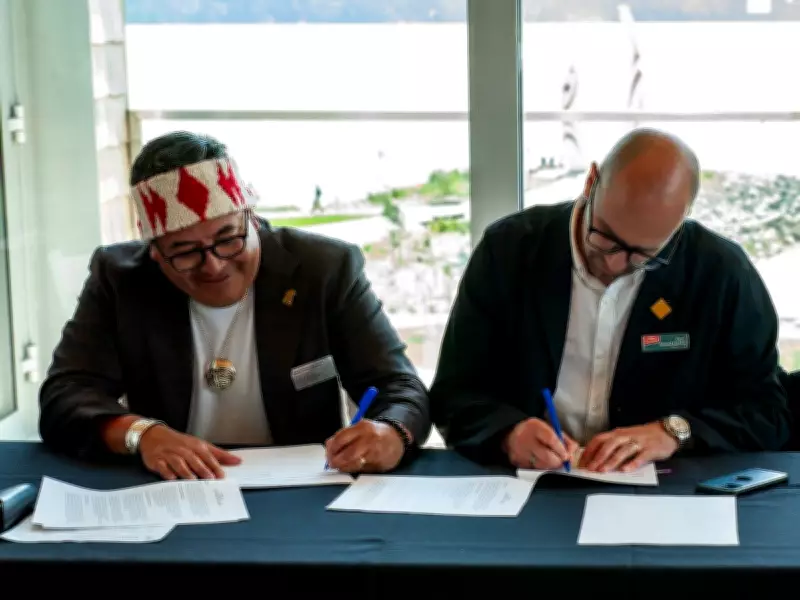
Squamish District and Nation Launch 'Land Back' Task Force for Public Lands
In a significant move toward reconciliation, the District of Squamish and the Squamish Nation have jointly established a "land back" task force. This initiative aims to explore the potential return or co-management of government-owned lands to the First Nation, marking a collaborative effort to address historical injustices stemming from colonial policies that alienated the Squamish people from their traditional territories.
Clarifying Scope: No Impact on Private Property
The task force's terms of reference explicitly state that "land back" does not involve removing people from privately owned property. District officials have emphasized that the scope is limited to government-owned lands, ensuring residents with private holdings will not be affected. This clarification comes amid public anxiety and legal uncertainties following a landmark 2025 B.C. Supreme Court decision, which recognized Aboriginal title to private land in another case, heightening concerns across the region.
Squamish Mayor Armand Hurford, appointed to the task force along with two other council members, noted that the legal and political landscape has been "in flux," underscoring the importance of this work. He acknowledged mixed feedback from the community, with many expressing worries about private land, over which the district has no jurisdiction. The task force's creation, potentially a first in Canada, reflects a proactive approach to reconciliation amidst shifting moods nationwide.

Background and Significance
The task force stems from years of reconciliation efforts between the district and the Squamish Nation, designed to recognize and respond to historical land alienation. Its establishment follows the approval of terms of reference by both the District of Squamish council and the Squamish Nation council earlier this month. At a council meeting, councillors observed that the decision has drawn attention from across British Columbia and Canada, with Coun. John French remarking, "Many eyes are on Squamish tonight with this decision."
The terms of reference outline the task force's focus on restoring Squamish Nation governance, stewardship, and cultural connections to lands under public jurisdiction. Sxwíxwtn Wilson Williams, chairperson of the Squamish Nation council, highlighted in a statement that this represents a meaningful step forward in inter-governmental relations. He emphasized the Sḵwx̱wú7mesh People's millennia-long connection to the land and the shared commitment to responsible stewardship for all residents.
Looking Ahead
As the task force begins its work, it operates against a backdrop of increased scrutiny and evolving legal precedents. The 2025 court decision involving Cowichan Tribes, which included private land as a remedy for Aboriginal title, has catalyzed discussions on land rights. However, the Squamish initiative distinguishes itself by focusing solely on public lands, aiming to foster collaboration without disrupting private ownership.
This effort not only advances local reconciliation but also sets a potential precedent for other municipalities and First Nations across Canada. By prioritizing dialogue and co-management, the District of Squamish and Squamish Nation are paving the way for sustainable partnerships that honor Indigenous heritage while addressing contemporary governance challenges.