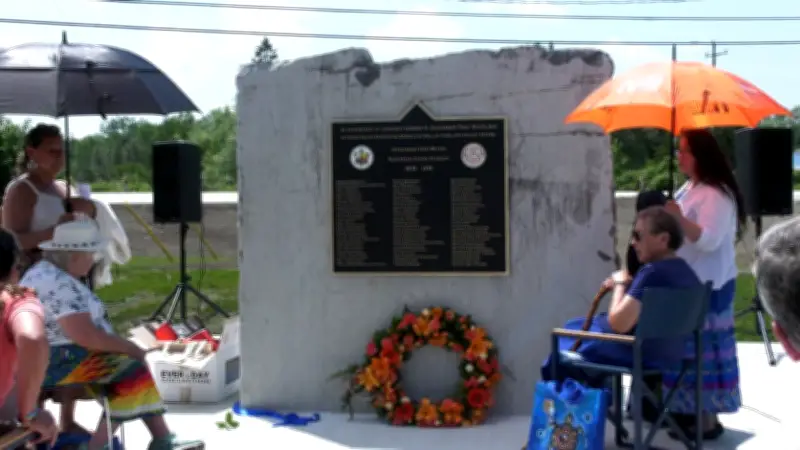
Sheguiandah First Nation has unveiled a monument commemorating more than 70 children who attended residential schools, with the intention of adding additional names as further research is conducted. The monument was erected on the First Nation's territory in northern Ontario, serving as a permanent tribute to the children who never returned home.
Monument Details and Community Response
The monument was unveiled during a ceremony attended by community members, survivors, and local leaders. It lists the names of over 70 children who were students at residential schools, many of whom died while in attendance. The First Nation has committed to continuing its research to identify more children whose names have not yet been recorded, with the goal of adding them to the monument in the future.
Chief of Sheguiandah First Nation, in a statement, emphasized the importance of remembering the children and honoring their lives. “This monument is a step towards truth and reconciliation,” the chief said. “We will never forget the children who were taken from us, and we will continue to seek justice and healing for our community.”

Broader Context of Residential School Memorials
The unveiling comes amid ongoing efforts across Canada to memorialize the victims of the residential school system. Since the discovery of unmarked graves at former school sites in 2021, many Indigenous communities have erected monuments and held ceremonies to honor the children. The Truth and Reconciliation Commission’s Calls to Action include the creation of such memorials as part of the healing process.
Sheguiandah First Nation’s monument is unique in that it not only lists names but also includes space for future additions, reflecting the ongoing nature of the research. The community has partnered with local historians and archives to trace the identities of children who attended the school, which operated from the late 19th century until its closure in the 1970s.
Impact on the Community
Local residents expressed mixed emotions at the ceremony, with some survivors sharing their own experiences. One elder, who wished to remain anonymous, said, “Seeing those names brings back painful memories, but it also gives us a place to grieve and remember. We are grateful that our children are finally being acknowledged.”
The monument is expected to become a site for annual remembrance ceremonies and educational visits. Sheguiandah First Nation hopes it will serve as a tool for teaching younger generations about the history of residential schools and the resilience of Indigenous peoples.
As of now, the monument lists 74 names, but researchers believe the actual number of children who died at the school may be higher. The First Nation is calling on former students and their families to come forward with any information that could help identify additional children.