Quebec's Proposed Constitution Bill 1 Criticized as Divisive by First Nations Leader
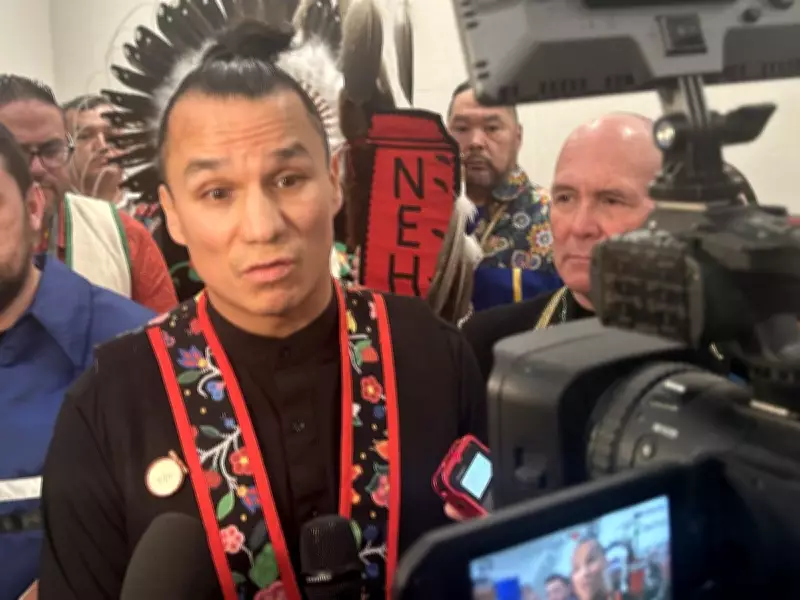
The proposed Quebec Constitution Act, known as Bill 1, has been described as a missed opportunity that creates division rather than unity, according to Francis Verreault-Paul, chief of the Assembly of First Nations Quebec-Labrador (AFNQL). The legislation, introduced by Minister Simon Jolin-Barrette, was intended to represent political maturity but instead appears to deepen historical imbalances.
A Constitution That Fails to Unite
A constitution should serve as a foundational document that affirms a shared vision of territory, power relations, and harmonious coexistence. However, Bill 1 falls short of this purpose by attempting to define Quebec's future without fully recognizing the presence, rights, and governments of First Nations. This approach not only fails to unite but actively contributes to social divisions, jeopardizing the collective future it aims to define.
Verreault-Paul emphasizes that the AFNQL firmly believes in the possibility and necessity of a shared future. True coexistence, based on respect, mutual recognition, and sincere dialogue, would bring significant social, cultural, educational, and economic benefits to all of society. This vision does not pit groups against each other but invites collaborative progress with clarity and goodwill.

Call for Withdrawal and Recognition of Indigenous Rights
The AFNQL is calling for the withdrawal of Bill 1, not because they reject the constitutional principle, but because the bill cannot be drafted while ignoring those at the heart of the territory's history. Limiting the recognition of First Nations to general mentions in a preamble, while asserting the exclusivity of Quebec laws over the entire territory, perpetuates historical imbalances and renders Indigenous communities invisible.
This approach does not strengthen social cohesion or collective self-affirmation. Instead, it revives logics of domination and colonialism that should belong to a past era. Recognizing the inherent and treaty rights of First Nations does not weaken Quebec; it strengthens the province by fostering equitable partnerships.
The Need for Legislative Reconciliation
Reconciliation cannot be merely symbolic or declaratory; it must be legislative and require a paradigm shift. This involves a co-development process where First Nations governments are full partners engaged in government-to-government dialogue. Only through such inclusive efforts can solid common ground emerge.
The parliamentary work surrounding Bill 1 has highlighted a significant lack of prior consultation with First Nations and other key stakeholders in civil society. A "law of laws" cannot be born of exclusion. It must reflect a collective project that recognizes the diversity of voices and experiences from past, present, and future generations.
A Crucial Choice for the Quebec Government
The Quebec government now faces a critical decision. It can either persist in a divisive, unilateral approach or choose the more demanding but infinitely more promising path of dialogue, recognition, and co-development. It would be paradoxical for a foundational text, championed by the minister of justice, to be tainted by anxiety and insecurity.
Courage and humility are essential characteristics of true leadership. Acknowledging that the foundations of Bill 1 run counter to the expectations of a population committed to coexistence is necessary, and withdrawal remains the only viable option to move forward constructively.