Ottawa's Covert Recognition of Aboriginal Title Over Vancouver Raises Alarms
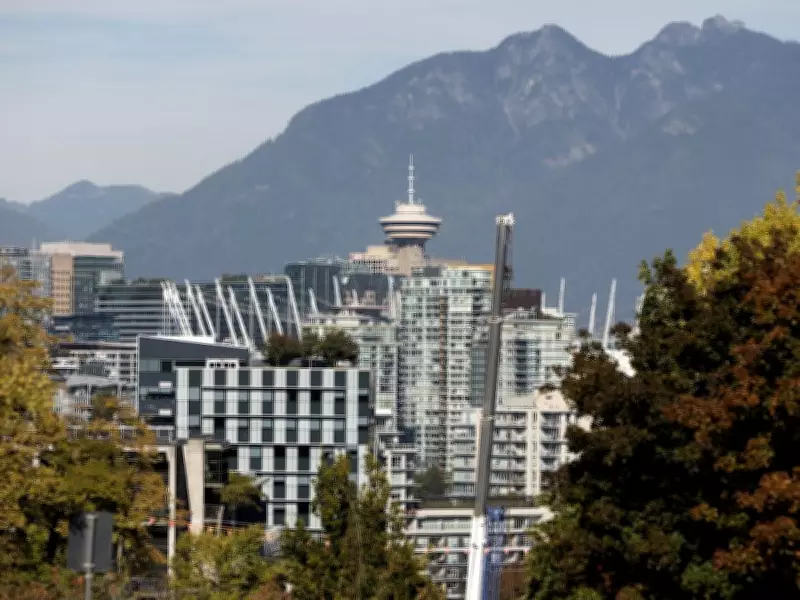
British Columbians, especially those residing in the Vancouver metropolitan area, have discovered that their government has once again negotiated significant agreements with First Nations authorities without public transparency. On February 20, 2026, Ottawa entered into three landmark agreements with the Musqueam Indian Band, whose traditional territory encompasses the entire City of Vancouver and surrounding inner suburbs including Burnaby and North Vancouver.
The Hidden Clause in Federal Agreements
While the official federal press release primarily highlighted expanded joint fisheries management, environmental stewardship initiatives, and enhanced marine emergency response systems, the most consequential element was discreetly embedded within the document's text. A single sentence in the "Rights Recognition Agreement" carries profound implications: it formally recognizes that Musqueam possesses Aboriginal rights, including title, within their traditional territory and establishes a framework for gradual implementation of these rights through nation-to-nation relations with Canada.
The complete Musqueam agreement remains inaccessible to the public, leaving approximately 3.1 million Metro Vancouver residents to speculate about the practical consequences. This lack of transparency has created what critics describe as an intolerable veil of secrecy surrounding land rights and governance in British Columbia's most populous region.

Unclear Consequences and Missing Details
Even after Ottawa released a 30-page document on Monday, the specific ramifications remain ambiguous. The package includes the Rights Recognition Agreement alongside separate marine management and fisheries agreements. While it provides general acknowledgment of Musqueam rights and title "within" their territory and outlines a framework for future discussions about "how and where" these rights apply, the agreement explicitly states it does not affect privately owned land. Notably, the rights agreement contains no accompanying map to clarify geographical boundaries.
Context Within British Columbia's Combustible Land Debate
The Musqueam agreement has detonated within the center of British Columbia's most volatile recent controversy concerning Indigenous land claims. The recognition of Aboriginal title, governance of Crown lands, and the security of fee-simple private property rights have all become subjects of intense public uncertainty and debate across the province.
This development follows a significant provincial court ruling from August, where Justice Barbara Young determined that the Cowichan Tribes of Vancouver Island held title to over 750 acres of land in southeast Richmond within the Lower Mainland. The ruling declared that Crown grants of private title represented an unjustifiable infringement on Indigenous rights.
Government Response and Economic Implications
In response to the Cowichan ruling, the provincial NDP government announced it would appeal the decision, while property owners expressed concerns about financing availability and marketability of their assets. Businesses have already reported that lenders and potential tenants are hesitating to proceed with deals amid the uncertainty.
Premier David Eby has committed to providing financial "backstops" and other guarantees to reassure homeowners and business operators, including access to emergency financing. The fact that the government feels compelled to offer such protective measures suggests officials lack confidence in their ability to prevent potential economic fallout from these land recognition agreements.
The combination of secretive federal agreements, ambiguous implementation frameworks, and precedent-setting court decisions has created a perfect storm of uncertainty for British Columbia residents, particularly those in the Vancouver region who now face unanswered questions about the future of property rights and land governance in their communities.