Mikisew Cree First Nation has initiated legal action against the governments of Alberta and Canada, asserting that decades of cumulative industrial development in northeastern Alberta have infringed upon Treaty 8 rights and resulted in severe environmental and health consequences.
Lawsuit Alleges Breach of Treaty Rights
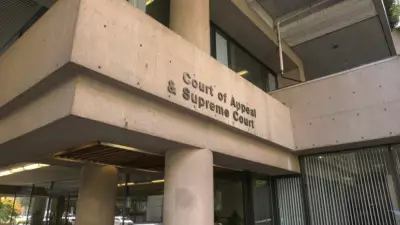
In a statement released on Tuesday, the First Nation announced that it filed a statement of claim in Alberta's Court of King's Bench. The claim alleges that both provincial and federal authorities failed to uphold their constitutional, fiduciary, and treaty obligations. By authorizing extensive industrial development throughout the nation's traditional territory without adequately managing cumulative impacts, the governments are accused of neglecting their duties.
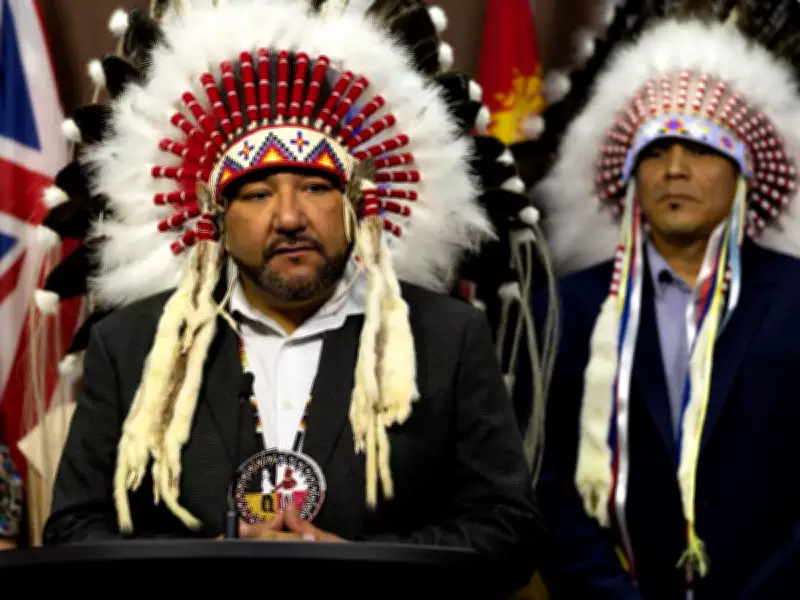
Chief Billy-Joe Tuccaro expressed the community's distress, stating, "Our people are downstream from one of the largest industrial developments on earth, and we are paying the price with our health, our lands, and our way of life." He emphasized that for generations, the community has relied on these lands and waters for hunting, fishing, trapping, and cultural practices, which are now severely impacted by wildlife decline, water contamination, and disrupted access to traditional territory.

Cumulative Impacts on Environment and Health
The lawsuit focuses on the long-term effects of oilsands development, industrial activity, habitat fragmentation, and pollution in the Peace-Athabasca Delta region. Rather than targeting individual projects, the legal challenge addresses the combined impacts of decades of approvals, alleging that governments failed to properly assess, monitor, or limit those impacts.
The First Nation asserts that cumulative impacts from prolonged industrial development have diminished members' ability to meaningfully exercise treaty rights, including hunting, fishing, and cultural practices. The claim further alleges that Alberta and Canada authorized development that contributed to environmental degradation, contamination of lands and waters, loss of wildlife habitat, and fragmentation of culturally important areas throughout Mikisew Cree territory.
Health Concerns and Cancer Rates
Chief Tuccaro highlighted alarming health impacts within the community, including elevated cancer rates. "Our people deserve answers, accountability, and meaningful action to protect our Treaty rights and our future," he said. The First Nation is seeking declarations from the court that Alberta and Canada breached Treaty 8 and infringed upon Mikisew Cree treaty rights. Additionally, they are requesting enforceable mechanisms and thresholds to manage cumulative impacts moving forward.
The Mikisew Cree First Nation's legal action underscores the ongoing tensions between industrial development and Indigenous rights in Canada. The outcome of this lawsuit could set a precedent for how cumulative impacts are addressed in future resource development projects.