A significant milestone in the journey toward reconciliation has been reached as a human rights tribunal has approved a monumental child welfare agreement for Ontario First Nations. This landmark decision addresses long-standing systemic inequities and paves the way for transformative changes in how Indigenous children and families are supported.
Historic Approval for Child Welfare Settlement
The tribunal's approval of this massive deal represents a critical step in rectifying historical injustices faced by First Nations communities in Ontario. The settlement, which has been years in the making, focuses on overhauling child welfare systems to better serve Indigenous youth and their families, ensuring culturally appropriate care and support.
Addressing Systemic Inequities
For decades, First Nations communities have grappled with disproportionate rates of child apprehension and inadequate services. This agreement aims to dismantle these systemic barriers by providing enhanced resources, funding, and autonomy to Indigenous-led organizations. The goal is to foster environments where children can thrive within their own cultures and communities.

Key components of the deal include:
- Increased funding for prevention and family support programs
- Greater involvement of First Nations in decision-making processes
- Initiatives to reduce the number of children in foster care
- Support for cultural preservation and language revitalization
Minister Mandy Gull-Masty's Role
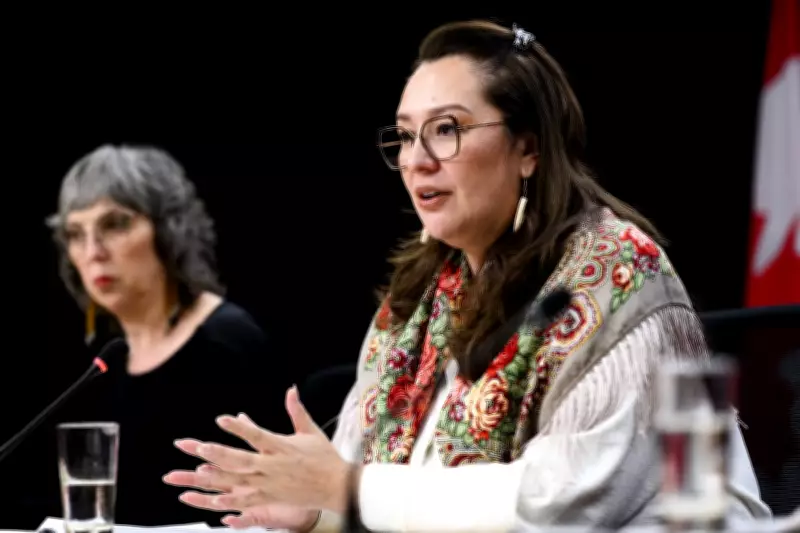
Indigenous Services Minister Mandy Gull-Masty has been a vocal advocate for this agreement, emphasizing its importance in advancing reconciliation efforts. In a press conference, she highlighted the collaborative work between federal and provincial governments and First Nations leaders to achieve this outcome. "This is not just a legal settlement; it's a commitment to healing and building a better future for Indigenous children," Gull-Masty stated.
Implications for Future Policies
The approval of this child welfare deal sets a precedent for other provinces and territories to follow, potentially leading to nationwide reforms in Indigenous services. It underscores the necessity of respecting Indigenous rights and implementing policies that prioritize community-led solutions.
Experts in human rights and Indigenous affairs have praised the tribunal's decision, noting that it aligns with international standards and the Truth and Reconciliation Commission's calls to action. The deal is expected to have far-reaching impacts, improving outcomes for generations of First Nations children and strengthening the fabric of Ontario's diverse society.
As implementation begins, ongoing monitoring and evaluation will be crucial to ensure the agreement's promises are fulfilled. This historic moment serves as a reminder of the power of justice and collaboration in addressing deep-rooted social issues.