The Innu Nation has abruptly cancelled its Pakassiun cultural exhibit at The Rooms provincial art gallery in St. John's, accusing the Newfoundland and Labrador government of endorsing a 'fringe theory' about Indigenous history.
Exhibit pulled over historical dispute
In a statement released Tuesday, Innu Nation Grand Chief Simon Pokue said the decision came after the provincial government refused to acknowledge the Innu as the original inhabitants of Labrador, instead supporting what he called a 'fringe theory' that suggests the Inuit arrived before the Innu. The exhibit, which was set to open in July, was meant to showcase Innu culture and artifacts.
'We cannot participate in an institution that denies our history and our ancestors,' Pokue said. 'The government's position is not based on facts but on a theory that has been widely rejected by scholars.'

The dispute centers on archaeological evidence and oral traditions. The Innu maintain they have lived in Labrador for thousands of years, while some researchers have proposed that Inuit groups may have preceded them in certain coastal areas.
Government response
Tourism, Culture, Arts and Recreation Minister Steve Crocker expressed disappointment over the cancellation, saying the government values all Indigenous cultures. 'We respect the Innu Nation's decision, but we believe there is room for dialogue,' Crocker said. 'The Rooms is a space for all Newfoundlanders and Labradorians to share their stories.'
The minister denied that the government promotes a fringe theory, stating that the province supports evidence-based history. However, Innu leaders say the government's refusal to formally recognize Innu primacy in Labrador undermines reconciliation efforts.
Impact on cultural programming
The cancellation leaves a gap in The Rooms' summer programming, which had heavily promoted the exhibit as a major attraction. The gallery will now work with other Indigenous groups to fill the space. Innu Nation officials said they may seek alternative venues to display the artifacts, which include traditional tools, clothing, and ceremonial items.
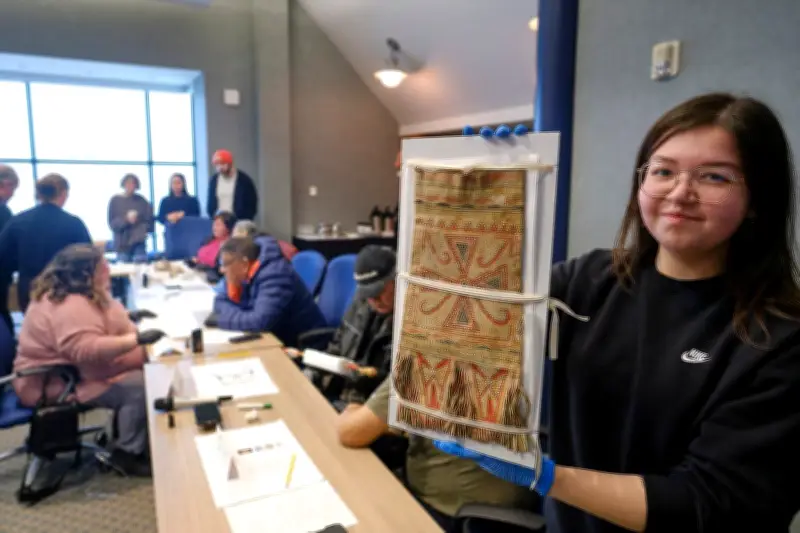
University student Bailey Andrew, who had been preparing artifacts for the exhibit, expressed disappointment. 'This was a chance for our people to share our heritage on our own terms,' Andrew said. 'It's heartbreaking that politics got in the way.'
The Innu Nation has called for a public inquiry into how the province interprets Indigenous history and has urged the federal government to intervene. The dispute highlights ongoing tensions over land claims and cultural recognition in Labrador.