Global Indigenous Leaders Gather in Sudbury for Land Symposium
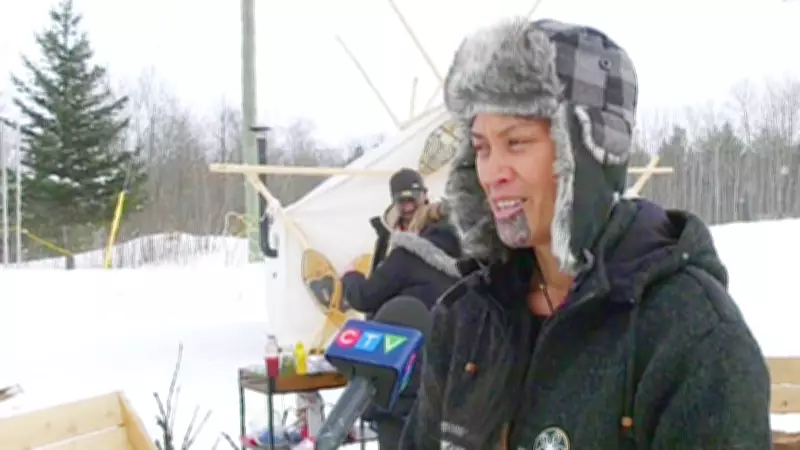
The Indigenous Land Symposium, a significant international event, recently concluded at Science North in Sudbury, Ontario. This gathering brought together Indigenous delegates from various parts of the world, including Australia and New Zealand, to discuss critical issues related to land rights, cultural preservation, and community empowerment.
International Participation and Focus
Delegates from Australia and New Zealand actively participated in the symposium, sharing their experiences and insights on Indigenous land management and sovereignty. The event served as a platform for cross-cultural exchange, highlighting the common challenges and successes faced by Indigenous communities globally.
The symposium emphasized the importance of land as a central element of Indigenous identity and survival. Discussions likely covered topics such as environmental stewardship, legal frameworks for land claims, and the role of traditional knowledge in modern land use planning.

Significance of the Location
Held at Science North, a renowned science centre in Sudbury, the symposium leveraged the venue's educational and collaborative atmosphere. Sudbury, located in Northern Ontario, is itself a region with a rich Indigenous history and ongoing land-related dialogues, making it a fitting host for such an event.
This gathering underscores the growing global movement among Indigenous peoples to assert their rights and protect their ancestral lands. It also reflects Canada's role as a hub for international Indigenous discourse, particularly in regions like Northern Ontario where Indigenous issues are prominently addressed.
Broader Implications
The Indigenous Land Symposium contributes to broader conversations about reconciliation, environmental justice, and cultural resilience. By fostering international connections, it helps build solidarity among Indigenous communities facing similar struggles worldwide.
Events like this are crucial for advancing understanding and cooperation between Indigenous and non-Indigenous stakeholders, promoting sustainable land practices that respect Indigenous sovereignty and heritage.