FSIN Leadership Maintains Stance Amid Federal Repayment Demand
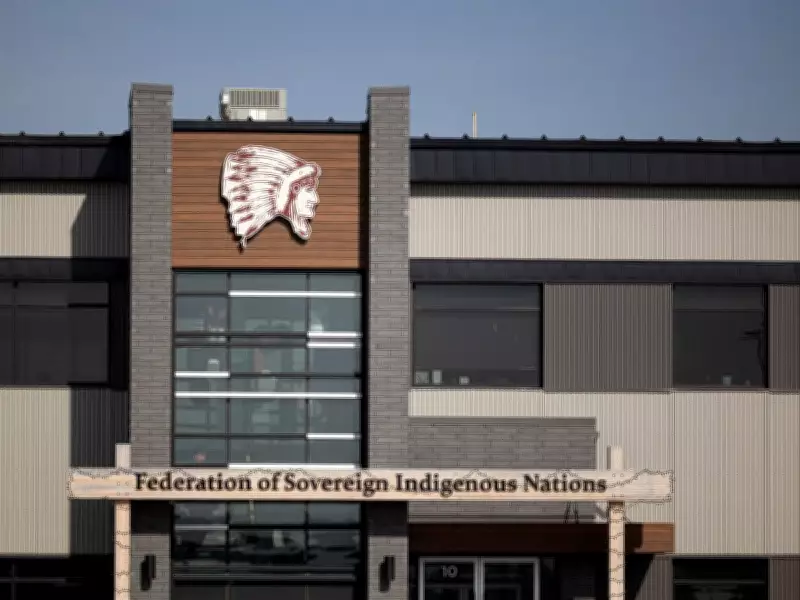
The Federation of Sovereign Indigenous Nations (FSIN) continues to challenge the conclusions of an audit conducted by Indigenous Services Canada, as the federal ministry initiates efforts to recover substantial funds from the Saskatchewan-based First Nations organization. According to multiple media reports, the FSIN has been formally requested to repay approximately $28.7 million in federal funding, with the majority of these funds allocated during the COVID-19 pandemic to support member First Nations across the province.
Audit Findings and Questionable Expenses
The comprehensive audit, executed by the global firm KPMG, examined financial activities spanning from April 1, 2019, to March 31, 2024. The review identified more than $3 million in expenses deemed ineligible, while an additional $30 million was categorized as "questionable" due to inadequate documentation and insufficient supporting records. These findings have prompted federal authorities to pursue monetary recovery through established contractual mechanisms.
FSIN Chief's Response and Assertions of Good Faith
In an official media release distributed this week, FSIN Chief Bobby Cameron emphasized that the organization has operated with "good faith every step of the way." He further stated that the federation has demonstrated transparency, responsiveness, and accountability throughout the entire audit process. Cameron highlighted that the audit uncovered no evidence of fraud, personal gain, or intentional wrongdoing by FSIN leadership or staff members.

"Our top priority when the COVID pandemic hit was to implement our inherent and treaty rights under the famine and pestilence clause," Cameron declared, referencing historical treaty obligations. The FSIN maintains that First Nations communities received essential personal protective equipment (PPE) during the health crisis, with documentation provided to auditors confirming deliveries and distribution efforts.
Federal Position and Recovery Processes
An Indigenous Services Canada spokesperson confirmed via email statement that the FSIN received formal correspondence on March 13 regarding the audit outcomes. The ministry outlined its established procedures to ensure that allocated funds are managed in strict accordance with funding agreements, which may include forensic audits when necessary. Following audit completion, ISC provides detailed reports to recipients, with regional offices collaborating on recommendations and potential financial recoveries.
The spokesperson declined to specify the exact repayment amount sought from FSIN, citing confidentiality provisions related to contractual obligations between the federal government and funding recipients. "We are unable to disclose whether any sanctions or monetary recoveries are being pursued, as this information relates to contractual obligations between Canada and the audit recipient," the representative explained.
Community Concerns and Governance Questions
Despite FSIN's public statements, concerns persist within Indigenous communities regarding organizational governance and financial management. Muskeg Lake Cree Nation Chief Kelly Wolfe expressed lingering questions in a Facebook post, inquiring about fund allocation, decision-making processes, and implementation procedures. "Where did the funds go, how were decisions made, and how were those decisions carried out?" Wolfe questioned, echoing broader community apprehensions.
During a media conference organized by the Saskatoon Tribal Council last October, Chief Wolfe delivered pointed criticism toward FSIN leadership practices. "Just because your left hand is giving out contracts, sponsorships and TVs does not give your right hand the entitlement to put money in your pocket," he remarked at the time, highlighting perceived discrepancies in resource distribution and financial stewardship.
The ongoing dispute between FSIN and federal authorities underscores complex tensions surrounding Indigenous self-governance, financial accountability, and treaty implementation, with significant implications for First Nations communities across Saskatchewan and beyond.