One unhappy First Nation makes headlines. Canadians broadly support reconciliation with First Nations. As Prime Minister Mark Carney often reminds us, we accept the constitutional duty to consult on large-scale nation-building projects — oil and gas pipelines, new mines, and port expansions. But a troubling pattern is spreading: a single First Nation’s objection to more mundane local decisions — usually framed around inadequate consultation or cumulative environmental impacts — now lands in small-town newspaper headlines and can delay or kill modest community projects.
Small projects, big delays
Meanwhile, non-Indigenous residents, businesses and recreational users — who form the vast majority of stakeholders — can find themselves sidelined. Two stories from small-town papers illustrate the growing tension.
Columbia Valley dispute
In British Columbia’s Columbia Valley, the Akisqnuk First Nation has called for an immediate suspension of all shoreline development on Lake Windermere and Columbia Lake. The band — roughly 379 members as of 2019, with only about 100 living locally on the reserve — wants an Indigenous-led stewardship plan before any new docks, marinas, dredging, boat launches or shoreline projects can proceed.

The Columbia Valley Pioneer has covered the issue in detail, highlighting the Nation’s position that cumulative impacts from boating and development threaten the lakes’ long-term ecological health.
The Columbia Valley Boating Association, representing thousands of property owners, boaters, and businesses, pushed back hard. In its April 2026 letter to the provincial minister, the group questioned how such a small contingent could effectively impose governance over two major lakes affecting tens of thousands of other stakeholders.
It spelled out the real-world consequences: routine maintenance permits stalled, investment frozen by uncertainty, and a process that excludes the very people who pay the taxes, own the waterfront property and depend on the lakes for recreation and livelihoods.
Kananaskis resort controversy
Hundreds of kilometres away in Alberta’s Kananaskis Country, a similar pattern is emerging. Late in 2025, the province designated Fortress Mountain as one of three new all-season resort areas, clearing the path for hotels, gondolas and year-round tourism infrastructure that promises significant economic benefits for the region.
Yet in February 2026, Bearspaw First Nation — one of the three bands comprising the Stoney Nakoda — wrote to Alberta’s Ministry of Tourism and Sport expressing deep disappointment. According to the Rocky Mountain Outlook, the Nation had not been consulted on the environmental assessment or master plan released earlier that year.
Broader implications
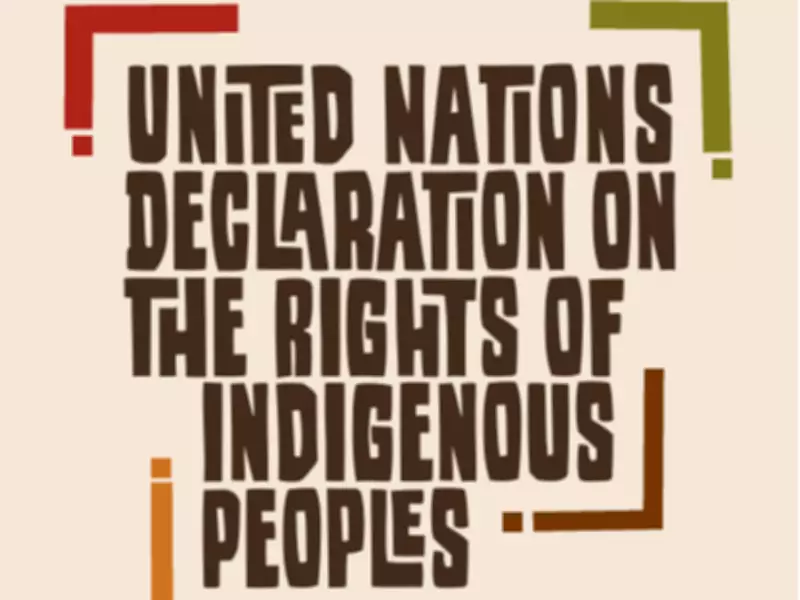
These cases highlight a growing friction between Indigenous consultation requirements and the interests of other stakeholders. While the constitutional duty to consult is well-established for major projects, its application to smaller community initiatives is creating uncertainty and resentment. Critics argue that the current framework, influenced by the United Nations Declaration on the Rights of Indigenous Peoples (UNDRIP), gives disproportionate power to small First Nations bands, allowing them to stall projects that benefit broader communities.
Supporters of Indigenous rights counter that consultation is essential to address historical injustices and protect environmental and cultural values. However, the tension between these perspectives is likely to intensify as more local projects face delays.