First Nations Leaders Warn NDP's DRIPA Amendments Could Trigger Legal Surge
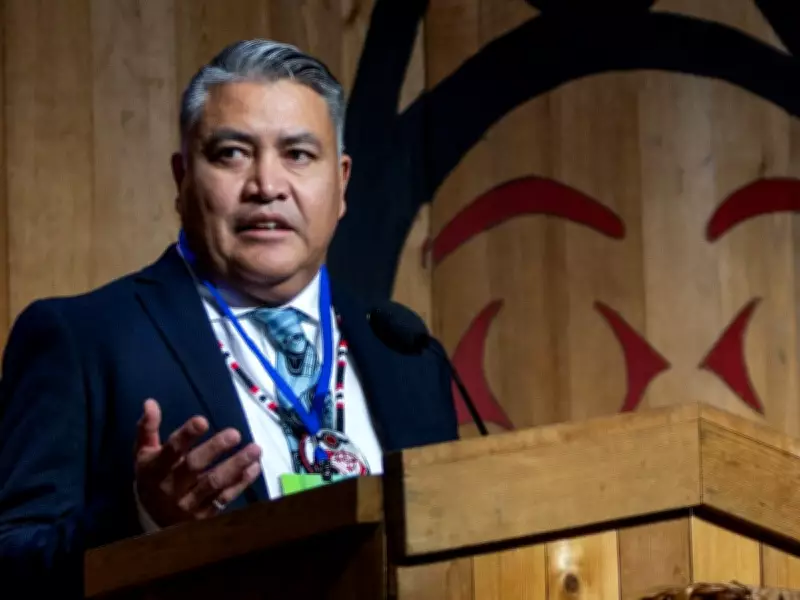
Indigenous leaders in British Columbia are raising alarm over proposed changes to the Declaration on the Rights of Indigenous Peoples Act, describing the amendments as so extensive they effectively gut the legislation. Regional Chief Terry Teegee of the B.C. Assembly of First Nations has stated that the modifications are so drastic they might as well constitute a repeal of the act itself.
Amendments Spark Concerns Over Consultation Process
First Nations representatives met with government officials for a technical briefing on the amendments last Wednesday, but there remains no clear timeline for when these changes will be formally introduced. The proposed amendments were delivered to Indigenous leaders on March 23, with only four days provided for response—a timeframe that Teegee argues is insufficient for proper consultation with community members.
Terry Teegee expressed frustration with the process, noting that a non-disclosure agreement prevents him from discussing specific details but confirming that the proposed changes have angered First Nations communities. He characterized the amendments as a "gut job" that represents a political decision rather than a necessary legislative adjustment.

Premier's Response and Legal Context
The amendments follow a December ruling by the B.C. Court of Appeal, which found that the province's Mineral Tenure Act conflicts with DRIPA because it lacks requirements for consultation with local First Nations regarding mineral prospecting tenures. In response to this ruling, Premier David Eby promised amendments but has stated he will not repeal the legislation entirely, despite pressure from the B.C. Conservatives to do so.
"For the premier to come out immediately saying 'we're going to make amendments' without even talking to us after the decision really sets us up for, I would say, a very adversarial situation," Teegee remarked, suggesting the government's approach could damage relations with Indigenous communities.
Potential Impact on Legal Landscape
According to reports from The Canadian Press, the proposed changes would limit the number of laws required to align with DRIPA and reduce judicial authority in determining how the act should be applied. Robert Phillips of the First Nations Summit described the amendments as "taking a sledgehammer" to DRIPA, indicating the severity of the proposed modifications.
Premier Eby acknowledged that the situation surrounding the amendments is less than ideal but defended the use of non-disclosure agreements as standard procedure. "We have to do this work in partnership with First Nations leadership. We are attempting as best as possible amid a severely constrained environment to do that," Eby stated, emphasizing the government's commitment to consultation despite challenges.
Uncertain Timeline and Broader Implications
Attorney General Niki Sharma avoided providing specific details about when the amendments would be introduced, adding to the uncertainty surrounding the legislative process. Indigenous leaders warn that the extensive nature of the changes could lead to a significant increase in lawsuits as First Nations seek to protect their rights through legal channels.
Teegee emphasized that First Nations see no inherent problems with DRIPA in its current form, suggesting the amendments represent a "knee-jerk reaction" to pressure from mining industry interests and public opinion. The situation highlights ongoing tensions between Indigenous rights, resource development, and government policy in British Columbia.