First Nations Hold Veto Power Over Alberta Separation, AFN National Chief States
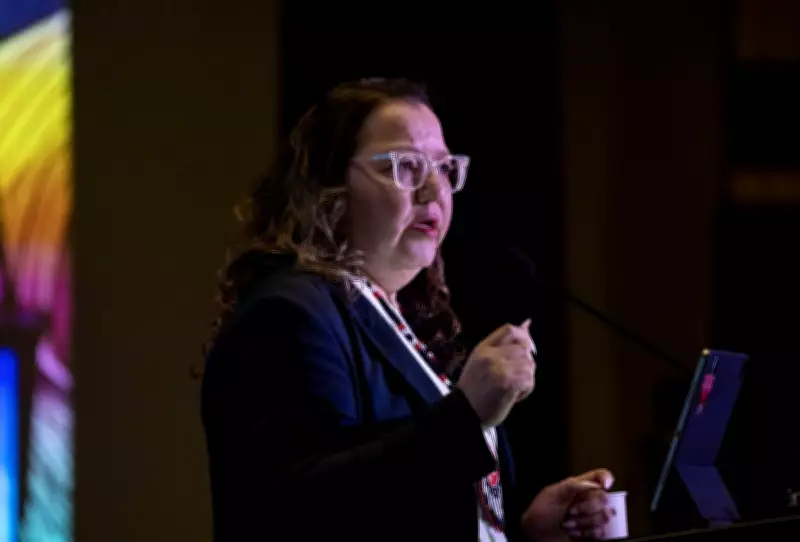
In a significant declaration that underscores the foundational role of Indigenous sovereignty in Canadian confederation, Assembly of First Nations (AFN) National Chief Cindy Woodhouse Nepinak has asserted that any move by Alberta to separate from Canada would require explicit permission from First Nations. This statement was delivered during her opening remarks at the AFN's Annual Natural Resources Forum in Calgary on February 10, 2026.
Treaty Rights and Constitutional Imperatives
Chief Woodhouse Nepinak emphasized that First Nations' treaty rights and inherent sovereignty are non-negotiable elements of Canada's constitutional framework. She argued that these rights grant First Nations a decisive voice in matters affecting their traditional territories, including potential secession by a province. "Our treaties are with the Crown, not with individual provinces," she stated, highlighting that any alteration to Canada's territorial integrity must involve meaningful consultation and consent from Indigenous peoples.
This position is rooted in historical and legal precedents, such as the Royal Proclamation of 1763 and modern Supreme Court rulings that affirm the duty to consult. The AFN chief's remarks come amid ongoing political discussions about Alberta's place within Confederation, though no formal separation process is currently underway.

Implications for National Unity and Indigenous Relations
The assertion adds a critical layer to debates on provincial autonomy and national unity. It signals that First Nations could potentially act as a stabilizing force or a barrier to secessionist movements, depending on their collective decisions. Chief Woodhouse Nepinak called for renewed respect for treaty relationships, warning that ignoring Indigenous rights could lead to legal challenges and social discord.
Key points from her address include:
- First Nations possess inherent sovereignty that predates Confederation.
- Treaties establish a nation-to-nation relationship that provinces cannot unilaterally override.
- Any separation effort must involve comprehensive negotiations with Indigenous leaders.
- Failure to obtain consent could violate international human rights standards.
Broader Context and Reactions
This development occurs against a backdrop of increasing advocacy for Indigenous self-determination and reconciliation efforts across Canada. While reactions from Alberta's political circles were not detailed in the initial report, the statement is likely to spark further dialogue on the intersection of provincial and Indigenous jurisdictions. Experts note that this stance reinforces the growing influence of First Nations in shaping Canada's political landscape, particularly on issues of land and resource governance.
In conclusion, Chief Woodhouse Nepinak's declaration serves as a powerful reminder of the enduring significance of treaty rights. It positions First Nations as essential stakeholders in any future discussions about Alberta's constitutional status, ensuring that their voices are heard and respected in the ongoing evolution of Canadian federalism.