First Nations Leaders Call for Formal Inquiry into RCMP Surveillance Practices
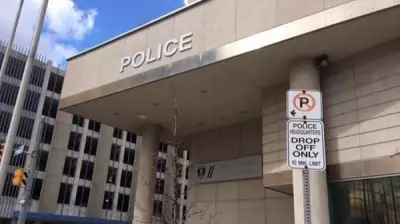
In a significant development, First Nations chiefs across Canada are demanding a comprehensive inquiry into the Royal Canadian Mounted Police (RCMP) following a CBC report that exposed extensive surveillance activities targeting Indigenous communities. The call for action comes amid growing concerns over privacy violations and the potential erosion of trust between law enforcement and Indigenous peoples.
National Chief Cindy Woodhouse Nepinak Leads the Charge
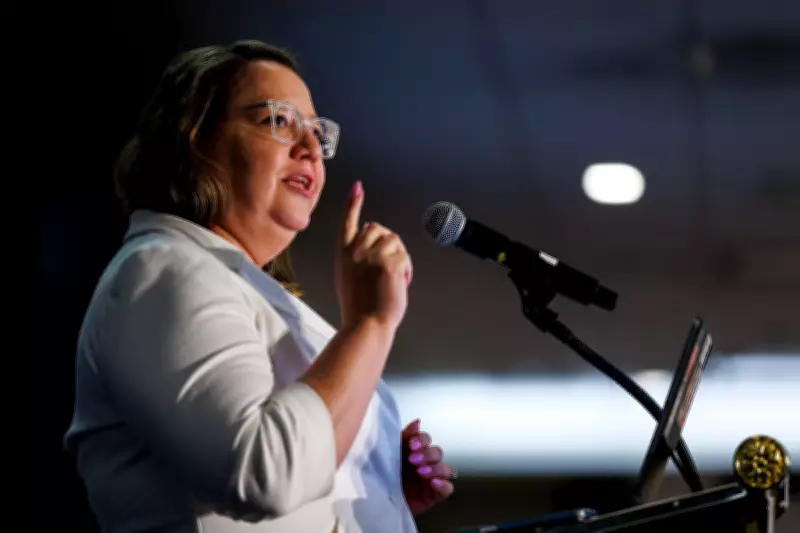
Assembly of First Nations (AFN) National Chief Cindy Woodhouse Nepinak has emerged as a prominent voice in this movement, emphasizing the need for transparency and accountability. Speaking at the Canada2020 Economic Reconciliation Summit in Ottawa earlier this week, Woodhouse Nepinak highlighted the profound implications of the surveillance revelations. "This is not just about monitoring; it's about the systemic disregard for our rights and dignity," she stated, underscoring the emotional and political weight of the issue.
Details of the CBC Investigation
The CBC report, which sparked the outcry, detailed how the RCMP has been conducting surveillance on First Nations individuals and groups, often without proper justification or oversight. Key findings from the investigation include:

- Extensive monitoring of social media and communications within Indigenous communities.
- Surveillance activities linked to protests and land defense actions.
- Allegations of data collection that may infringe on constitutional rights.
These practices have raised alarms about the potential for racial profiling and the chilling effect on Indigenous activism and free expression.
Broader Implications for Indigenous Relations
The demand for an inquiry is set against a backdrop of longstanding tensions between First Nations and Canadian authorities. Critics argue that such surveillance undermines reconciliation efforts and perpetuates historical injustices. "We cannot move forward if we are constantly looking over our shoulders," remarked one community leader, reflecting the sentiment of many who feel targeted by these practices.
In response to the calls, the RCMP has issued a brief statement acknowledging the concerns but has not committed to an inquiry. Meanwhile, political leaders are facing pressure to address the issue, with some advocating for independent oversight to ensure accountability.
Next Steps and Community Response
First Nations chiefs are mobilizing support from allies and human rights organizations to amplify their demand. They are calling for:
- A transparent and independent inquiry into RCMP surveillance methods.
- Clear guidelines to prevent future abuses of power.
- Meaningful consultation with Indigenous communities on policing policies.
As this story develops, it highlights the ongoing challenges in building trust between Indigenous peoples and institutions in Canada, with surveillance becoming a focal point in the struggle for justice and equality.