First Nations chiefs across Canada are demanding a formal apology from Prime Minister Mark Carney following comments he made suggesting he could "outlast" a demonstrator. The remarks, which occurred during a recent public engagement, have ignited a firestorm of criticism from Indigenous leaders who view them as dismissive and disrespectful toward ongoing protests and advocacy efforts.
Context of the Controversy
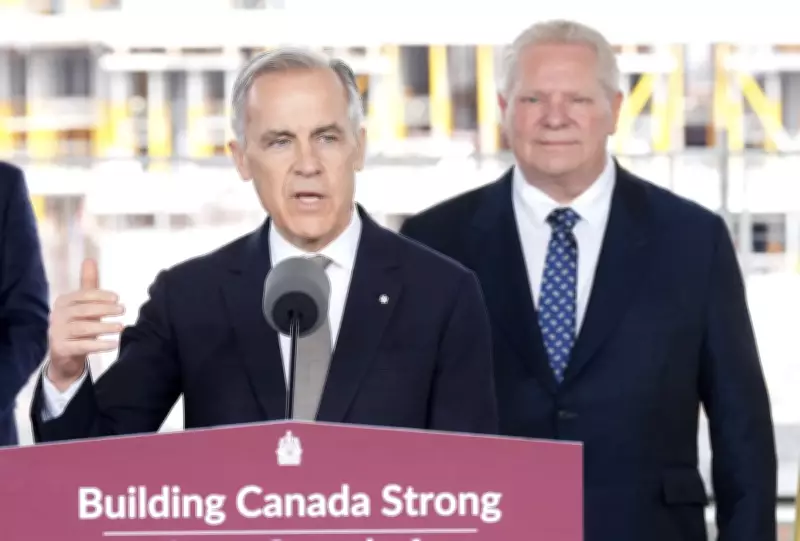
The incident took place in late March 2026, shortly after Prime Minister Carney announced new housing and affordability measures at a condo development in Toronto. During a subsequent interaction, when confronted by a demonstrator, Carney reportedly stated that he could "outlast" the individual, implying a stance of endurance rather than engagement. This exchange was captured by media and quickly circulated, drawing sharp rebukes from First Nations communities.
Reactions from Indigenous Leaders
In response, several First Nations chiefs have publicly condemned the Prime Minister's words, arguing that they undermine the seriousness of Indigenous grievances and the democratic right to protest. They emphasize that such language trivializes the struggles faced by Indigenous peoples, including land rights, treaty negotiations, and social justice issues. The chiefs are calling for an immediate apology to address what they describe as a breach of trust and a failure to uphold respectful dialogue.

This controversy comes at a sensitive time, as the federal government continues to navigate complex relationships with Indigenous groups over policies and reconciliation efforts. The demand for an apology highlights broader tensions in Canadian politics regarding how leaders address dissent and engage with marginalized communities.
Broader Implications
The fallout from Carney's remarks may impact his government's credibility on Indigenous affairs, potentially stalling progress on key initiatives. Observers note that public perception of political leaders' empathy and responsiveness is crucial, especially in matters involving historical injustices and current disparities. As calls for accountability grow, the Prime Minister's office faces pressure to respond decisively to mend relations and reaffirm commitments to reconciliation.
In summary, the demand for an apology from First Nations chiefs underscores ongoing challenges in Canadian political discourse, where words and actions are closely scrutinized for their impact on Indigenous relations and national unity.