First Nations Chiefs Make Historic Case for Canadian Unity at Buckingham Palace
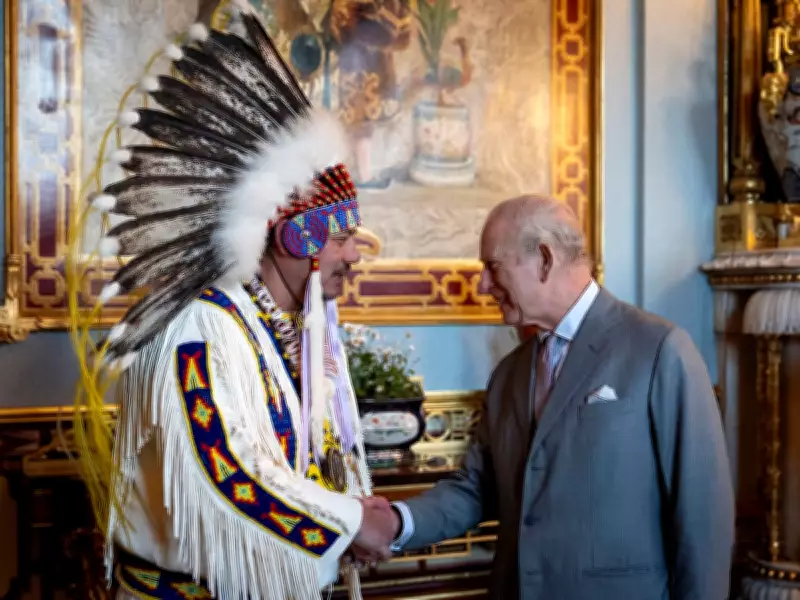
A significant diplomatic encounter unfolded this week at Buckingham Palace, where King Charles III welcomed a delegation of chiefs from the Treaty 6 First Nations, representing communities in what are now Alberta and Saskatchewan. The meeting served as a powerful reminder that Canada's foundations extend far beyond recent political debates, rooted in centuries-old agreements between Indigenous peoples and the Crown.
A Royal Invitation with Historical Significance
The gathering originated from King Charles's invitation to the chiefs after they had extended their own invitation for him to attend the 150th anniversary celebrations of the original Treaty 6 signing at Fort Carlton Provincial Historic Park near Duck Lake, Saskatchewan this summer. This reciprocal gesture underscored the ongoing relationship between the monarchy and Indigenous nations.
Confederacy of Treaty No. 6 First Nations Grand Chief and Sunchild First Nation Chief Joey Pete led the delegation, representing the interests of their communities during the discussions at the palace. While media coverage initially focused on Alberta's sovereignty referendum prospects, the chiefs emphasized broader constitutional concerns regarding treaty obligations.

Treaty Rights and Constitutional Realities
"We made King Charles aware of the separatism issue in Alberta and the threat to treaty it represents," Grand Chief Joey Pete stated following the meeting. "He expressed his concern and committed to learning more about the situation."
This diplomatic exchange highlighted a crucial historical fact: Treaty 6 was signed in 1876, nearly three decades before Alberta existed as a province. This timeline creates significant constitutional complications for any hypothetical independent Alberta, as the treaty binds Indigenous nations to the Crown rather than to provincial governments.
"A hypothetically independent Alberta couldn't simply search-and-replace 'the Crown' with 'the Republic' in the treaty and be done with it," noted constitutional experts familiar with the discussions. The treaty's enduring nature demonstrates how Indigenous relationships fundamentally shaped Canada's development.
Indigenous Leadership in National Unity
What made this meeting particularly striking was witnessing First Nations chiefs articulating a more principled defense of Canadian unity than many non-Indigenous political figures manage today. While Canada's history with Indigenous peoples includes both cooperation and conflict, this moment showcased Indigenous leaders protecting the constitutional framework that governs all parties.
Canada possesses remarkable advantages that many nations envy: a generally tolerant population, abundant natural resources, proximity to the world's largest consumer market, and access to global trade routes through two oceans. The prospect of any province separating represents what one observer called "a truly absurd snatching of defeat from the jaws of victory."
Polling Reality Versus Political Rhetoric
Current public opinion data suggests separatist movements face substantial hurdles. The latest Leger poll indicates only 17 percent of Albertans support sovereignty, while Quebec shows 26 percent support for leaving Canada. These figures remain significantly below the thresholds that nearly succeeded in the 1995 Quebec referendum or the Brexit vote.
First Nations opposition to separation movements has been consistent and overwhelming. Days before the 1995 Quebec referendum, Cree communities in Northern Quebec held their own sovereignty vote under Grand Chief Matthew Coon Come, resulting in 96 percent opposition to separation.
Contemporary Political Maneuvering
Alberta separatist spokesman Jeffrey Rath has attempted to court Indigenous support with promises of constitutionalized revenue sharing and increased funding. "We'll triple the amount of money spent on the Indigenous people of Alberta," Rath recently pledged at a public event. "We'll lift them out of the abject poverty that Ottawa has left them in for over a century."

However, Indigenous leaders remain skeptical of such promises, recognizing that treaty relationships transcend provincial boundaries and temporary political calculations. The Buckingham Palace meeting reinforced that Indigenous nations engage directly with the Crown on matters affecting their rights and territories.
This historic encounter serves as a timely reminder that Canada's unity depends on honoring all its foundational relationships, particularly those with Indigenous peoples who have been stewards of these lands since time immemorial.