Vancouver's former senior director of Indigenous relations has publicly questioned the municipal government's dedication to meaningful reconciliation with First Nations, following her recent resignation from the role after three years.
A Resignation Rooted in Values
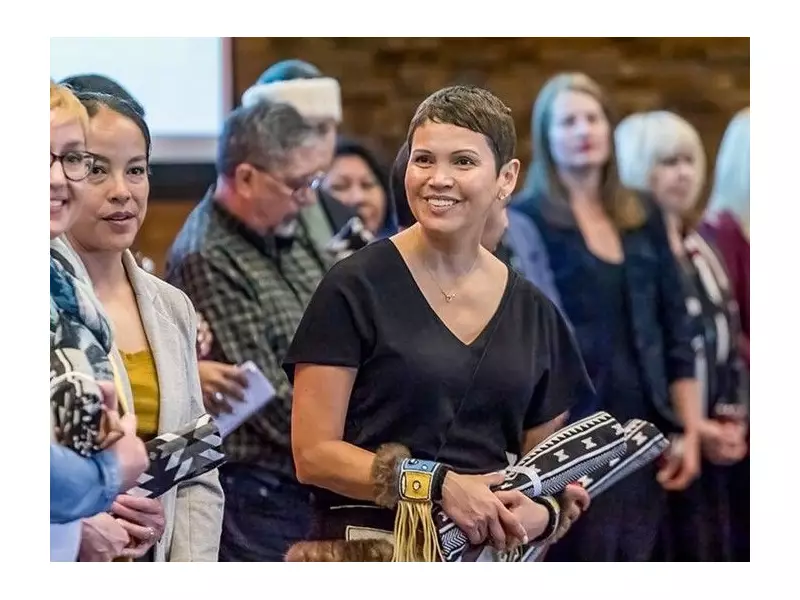
Michelle Bryant-Gravelle, who led the city's reconciliation efforts from 2022 until her resignation in late 2025, stated her decision to leave was driven by concerns over integrity and the alignment of values. In an interview, she expressed pride in her team's work but indicated a growing disconnect between political rhetoric and substantive action.
"When the words spoken at the political level don't align with that deeply transformational work that they mandated us to do, it becomes very difficult to lead with integrity," Bryant-Gravelle said. She described a scenario where commitments made behind closed doors did not match public statements, creating an untenable environment for advancing genuine reconciliation.

The Leaked Memo That Sparked Outrage
A pivotal moment leading to her departure was the emergence of a leaked memo from Mayor Ken Sim's office in February 2025. First reported by the Globe and Mail, the memo outlined a plan for the Downtown Eastside that included the idea of helping Indigenous residents relocate to their home Nations.
Bryant-Gravelle said this proposal was deeply upsetting, causing her to consider resigning immediately. "You're sending a signal that Indigenous people are not important, and we need to send them home. That was the first kind of hit, like what am I even doing here?" she recounted. Her attempts to raise concerns with senior city management and the mayor's office were met, in her view, with "surface-level appeasements" rather than meaningful engagement.
Institutional Challenges and the Path Forward
While Bryant-Gravelle noted positive relationships with some city hall staff and praised her team's efforts, she felt her work was not fully valued by all senior managers and political leaders. She declined to list specific examples but framed her experience as reflective of broader systemic issues.
"My experience at the city really reflects how Indigenous leaders are positioned inside those colonial institutions," she stated. She emphasized that true reconciliation requires sustained, transformative work from both parties, moving beyond symbolic gestures. "Working with Indigenous people is not just attending a ceremony and being a witness, and then not doing the work," she said.
In response to her comments, a City of Vancouver spokesperson reiterated the municipality's dedication to its reconciliation goals, stating the city remains "committed to advancing the work of UNDRIP" (the United Nations Declaration on the Rights of Indigenous Peoples). This stance follows the city council's approval of a 'groundbreaking' UNDRIP strategy just prior to Bryant-Gravelle's departure.
The departure of a key Indigenous relations leader casts a spotlight on the ongoing challenges of implementing reconciliation frameworks within municipal governments, highlighting the gap between policy adoption and tangible, values-driven action.