Cree Nation Councillor Opposes SaskPower Transmission Project Over Unresolved Land Claims
A Peter Ballantyne Cree Nation councillor from Sandy Bay has publicly declared his opposition to a newly approved SaskPower transmission project, highlighting decades-long unresolved land disputes and inadequate Indigenous consultation. The announcement comes as Saskatchewan moves forward with critical energy infrastructure development.
Project Details and Government Approval
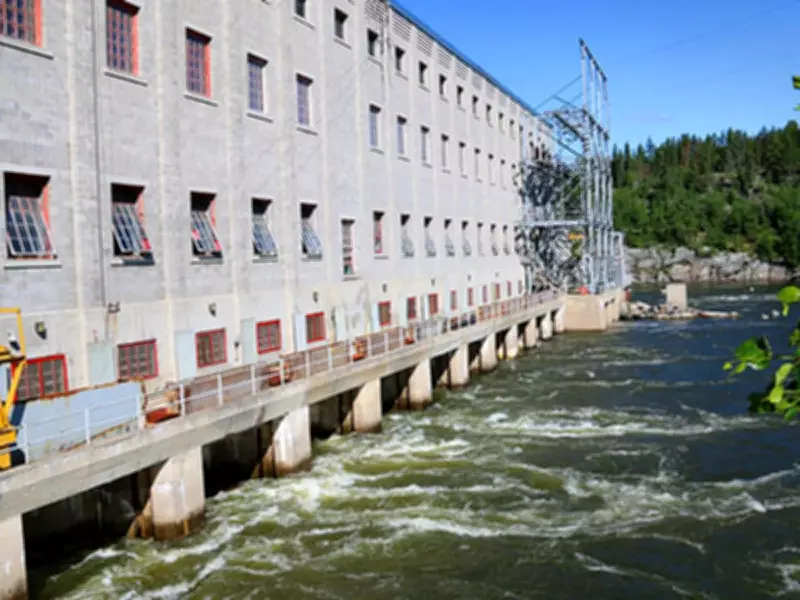
The Saskatchewan government officially approved the SaskPower North-South Transmission Systems Interconnection project on March 19. This ambitious electrical grid system will span approximately 250 kilometers, connecting the E.B. Campbell Hydroelectric Station to the northern system at the Island Falls Hydroelectric Station near Sandy Bay. The project represents a significant infrastructure investment aimed at unifying Saskatchewan's energy networks.
According to government officials, the transmission lines will address current grid limitations. Saskatchewan's northern and southern grids currently operate independently, connected only through Manitoba, with northern regions geographically distant from southern power generation sources. Minister responsible for SaskPower, Jeremy Harrison, emphasized that "connecting Saskatchewan's grids is a key component of our provincial transmission strategy, which is in turn essential for our broader energy security strategy."

Decades-Long Land Dispute Remains Unresolved
Councillor Timothy Underwood of the Peter Ballantyne Cree Nation (PBCN) has articulated strong opposition to the project, citing a court dispute with SaskPower that has persisted for over twenty years. The conflict centers on flooding claims related to the 1942 Whitesand Dam, constructed to stabilize water supply for the Island Falls Hydroelectric Station.
Underwood explained that no final agreement or settlement has been reached regarding approximately 600 acres of flooded land. SaskPower previously argued that the flooded territory did not constitute reserve land, therefore no settlement was owed. In 2019, a Saskatchewan court dismissed PBCN's claim, but in 2021, the Saskatchewan Court of Appeal allowed PBCN's appeal, set aside the decision, and returned the case for further proceedings.
The councillor stated unequivocally that no proposals will receive PBCN approval until there is a "sincere" effort to settle outstanding claims. He emphasized the need for provincial leadership willing to address historical grievances: "We need a provincial government that's willing to deal with the past so that we can move on to the future."
Environmental and Economic Concerns
Beyond the legal dispute, Underwood raised significant environmental and economic concerns. He noted that the Whitesand Dam destroyed the sturgeon ecosystem essential for traditional fishing practices. Furthermore, despite the Island Falls station generating electricity for hundreds of years, Sandy Bay community members "being on the doorstep of the station" have not received "one cent of royalties."
Underwood expressed particular concern about the economic motivations behind the transmission project, suggesting it primarily serves mining interests on traditional Indigenous lands. "They're getting ready because they know that there's going to be a lot of mines opening on our traditional land. And they want to cash in on it. They're always thinking about their bottom dollar, but what about ours?" he questioned.
Government Response and Funding
The Saskatchewan government's March 19 news release stated that engagement with Indigenous rights holders was underway, though specific details remain unclear. A government spokesperson confirmed that pre-construction design and planning for the project has received conditional approval for funding of up to $18 million under the First and Last Mile Fund from Natural Resources Canada.
Minister Harrison highlighted the project's economic benefits, noting it will support new mining opportunities and strengthen Saskatchewan's economy. However, this economic rationale has intensified Indigenous concerns about resource extraction on traditional territories without adequate consultation or benefit-sharing agreements.

The standoff between PBCN and SaskPower illustrates broader tensions between infrastructure development and Indigenous rights in Saskatchewan. As the province advances its energy security strategy, unresolved historical claims and contemporary consultation processes remain critical obstacles requiring genuine resolution before meaningful progress can occur.