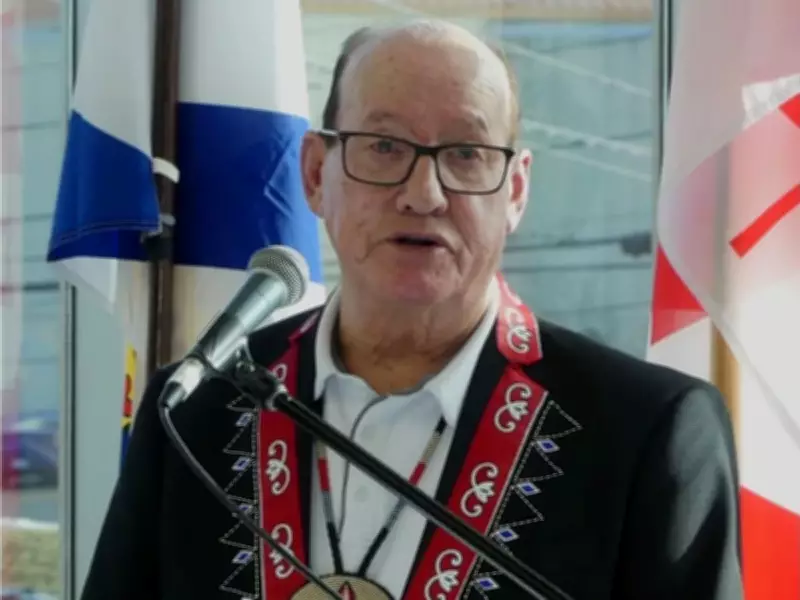
When Chief Terry Paul assumed leadership of Membertou First Nation in Nova Scotia 42 years ago, the community faced a dire financial crisis with a $1-million deficit on a $4-million budget, teetering on the brink of federal intervention. Today, Membertou stands as an ISO-certified economic powerhouse generating annual revenues surpassing $100 million, a remarkable transformation that has earned Chief Paul induction into the Canadian Business Hall of Fame this May.
From Financial Crisis to Economic Engine
Chief Paul's approach to revitalizing Membertou was both simple and rigorous: he prioritized strong governance structures before pursuing economic expansion, deliberately challenging stereotypes about Indigenous community management. This disciplined strategy not only rescued Membertou from financial collapse but established a model of Indigenous economic success that has drawn national attention.
Bridging Indigenous Rights and National Development
Paul's proven track record has positioned him as a crucial advisor to both federal authorities and private industry through his role on the Indigenous Advisory Council for the Major Projects Office (MPO). Appointed by Prime Minister Mark Carney in September as part of broader efforts to advance nation-building infrastructure, the 11-member council serves as a critical bridge between investor needs for certainty and Indigenous requirements for sovereignty and meaningful participation.

The MPO faces significant challenges, including legal actions from groups like the Chiefs of Ontario and Treaty 9 Nations, who argue that designating projects as being in the national interest effectively reduces consultation requirements to mere formalities. These groups contend that by the time projects receive designation, crucial decisions regarding land use, environmental impacts, and sovereignty have often been made without adequate Indigenous input.
Tensions Within the Advisory Process
Even within the advisory council itself, tensions have emerged regarding consultation processes. Grand Chief Trevor Mercredi of Treaty 8 in Alberta revealed that a federal-Alberta memorandum of understanding concerning a potential pipeline to British Columbia's coast—signed by Prime Minister Carney and Alberta Premier Danielle Smith—came as "news" to him and other council members, highlighting ongoing communication gaps.
Mercredi emphasized that First Nations are rights-holders rather than mere spectators in decisions affecting their traditional territories, warning that council members would "probably leave the table" if their recommendations continue to be disregarded.
A Vision for Meaningful Participation
Amid these complex challenges, Chief Paul advocates for Indigenous involvement beginning at the earliest stages of every major project. "I want to make sure the rights of Indigenous people are respected and that they are included in the benefits that come from these projects," he stated, articulating a vision that balances national development priorities with Indigenous sovereignty.
While governments emphasize nation-building and regulatory efficiency, and Indigenous leaders focus on consent, equity, and ownership, Paul identifies shared decision-making, equitable benefits, and accountability as the essential components of successful partnerships. His approach ensures that major projects not only advance national interests but also deliver tangible benefits to Indigenous communities while protecting environmental values through effective management frameworks.
Chief Terry Paul's journey from transforming a struggling First Nation to advising on Canada's most significant development projects represents a powerful model of Indigenous leadership that reconciles economic progress with cultural sovereignty, offering valuable insights for national policy moving forward.