From Financial Crisis to Economic Powerhouse: Chief Terry Paul's Remarkable Transformation
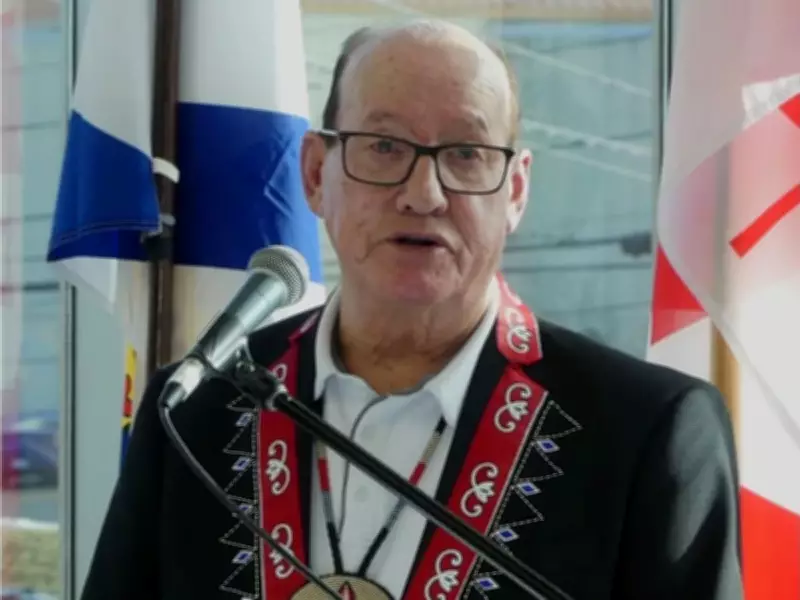
When Chief Terry Paul assumed leadership of Membertou First Nation in Nova Scotia forty-two years ago, the community faced dire financial circumstances. Membertou was burdened by a staggering $1-million deficit on a modest $4-million budget, teetering on the brink of a federal government takeover that threatened the nation's autonomy and future prospects.
A Formula for Success: Governance Before Growth
Today, Membertou stands as an ISO-certified economic engine generating annual revenues exceeding $100 million. This dramatic turnaround has earned Chief Paul induction into the prestigious Canadian Business Hall of Fame this May. His transformative approach was both simple and rigorous: challenge persistent stereotypes about Indigenous mismanagement by prioritizing strong governance structures before pursuing economic expansion.
"I wanted to prove that with proper governance, Indigenous communities could achieve financial self-reliance," Paul reflects on his decades-long journey. "We focused on creating transparent systems, accountable leadership, and sustainable planning before we chased economic opportunities."

Bridging Indigenous Rights and National Development
Chief Paul's success in transforming Membertou's fortunes has positioned him as a trusted advisor to both the federal government and private industry. He now serves on the Indigenous Advisory Council for the Major Projects Office (MPO), an eleven-member body appointed by Prime Minister Mark Carney in September 2025. This council represents a critical initiative to advance nation-building infrastructure and resource development while respecting Indigenous sovereignty.
The MPO was established amid growing criticism that First Nations rights were being bypassed in the push to accelerate major project approvals. The advisory council specifically aims to bridge the gap between investors' need for certainty and Indigenous communities' requirements for meaningful consultation and participation.
Navigating Complex Challenges and Tensions
Chief Paul's role places him at the center of ongoing debates about Indigenous consultation in national projects. The MPO currently faces legal challenges from groups including the Chiefs of Ontario and Treaty 9 Nations, who argue that designating projects as being in the national interest effectively reduces the Crown's duty to consult to a mere procedural formality.
Critics point to specific concerns:
- The Building Canada Act has been condemned as undemocratic, with First Nations receiving only seven days to review legislation before tabling
- Important decisions regarding land use, environmental risks, and sovereignty often occur before meaningful Indigenous input
- Tensions within the advisory council itself have surfaced regarding communication and consultation processes
Grand Chief Trevor Mercredi of Treaty 8 in Alberta expressed frustration that a federal-Alberta memorandum of understanding regarding a potential pipeline to British Columbia's coast was signed without proper consultation with council members. "First Nations are rightsholders, not spectators," Mercredi emphasized, noting that council members would "probably leave the table" if their recommendations continue to be ignored.
A Vision for Meaningful Participation
Amid these complex challenges, Chief Paul advocates for Indigenous participation beginning at the earliest stages of every project. "I want to make sure the rights of Indigenous people are respected and that they are included in the benefits that come from these projects," he states firmly.
While governments emphasize nation-building and regulatory streamlining, and Indigenous leaders focus on consent, equity, and ownership, Paul identifies shared decision-making as the crucial middle ground. His vision encompasses three essential elements:

- Equity participation ensuring Indigenous communities share in project benefits
- Environmental protection safeguarding traditional lands and resources
- Accountable management creating transparent governance structures
Chief Terry Paul's journey from transforming a struggling First Nation to advising on national projects represents a powerful model of Indigenous leadership. His experience demonstrates that financial self-reliance and strong governance can position Indigenous communities not merely as stakeholders, but as essential partners in Canada's economic future.