Mark Carney's recent visit to Prince Rupert, British Columbia, underscored a critical roadblock for any future oil pipeline to the Pacific coast: deep-seated Indigenous opposition and unresolved economic grievances. The former Bank of Canada governor, now a key federal figure, was told in no uncertain terms that the risk of an oil spill poses an existential threat to coastal communities.
A Unified Front Against Oil Tankers
During a press conference on Tuesday, January 14, 2026, Marilyn Slett, elected Chief of the Heiltsuk Nation and President of the Coastal First Nations, reiterated the alliance's firm stance. "One oil spill would destroy a way of life," Slett stated, summarizing her message to Carney. She emphasized the lack of effective technology to clean up a marine spill, a central argument against lifting the oil tanker moratorium off the West Coast.
The Coastal First Nations, a coalition of eight B.C. First Nations, lobbied the prime minister on the environmental dangers of such development. The group remains committed to the tanker ban, despite the federal government's memorandum of understanding with Alberta, which opens the door to potential exemptions. Carney, for his part, described the day as one for listening, focusing on dialogue and "the imperative for conservation."

The Wildcard: Metlakatla's Economic Ambitions
However, the opposition is not monolithic. Notably absent from the meeting were the Metlakatla and Nisga'a First Nations. Sources indicated their absence stemmed from dissatisfaction with the Coastal First Nations' anti-development message. Prince Rupert sits on the unceded territory of the Tsimshian people, and the Metlakatla have a different vision.
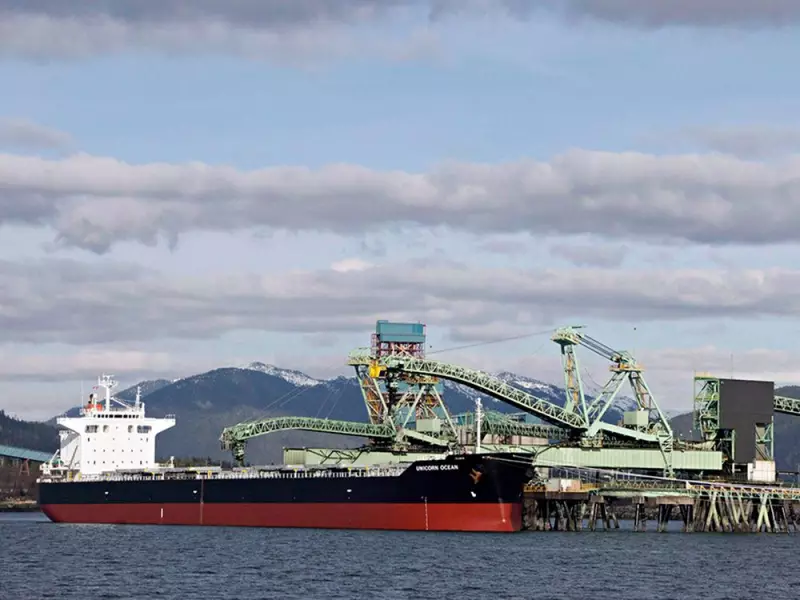
Chief Robert Nelson of the Metlakatla has clearly stated his nation's desire to be "partners with Canada in building a stronger economy, not adversaries blocking it." The Metlakatla and Lax Kw'alaams bands are shareholders in Trigon Pacific Terminals, the operator of the former Ridley Terminals in Prince Rupert. Their economic ambitions are currently at odds with a major port decision.
The Propane Contract Dispute: A Key to Unlocking Progress
The immediate obstacle is a contentious exclusive propane-export agreement granted by the Prince Rupert Port Authority to Dutch company Royal Vopak. The Metlakatla argue this deal unfairly blocks their Trigon terminal from competing in the propane market.
This dispute is now central to any regional development plans. The Metlakatla have filed a lawsuit in B.C. Supreme Court, claiming the Crown violated their rights and title through the Vopak agreement. The claim notes that portions of the port are located on the band's former reserve land. Until this conflict is resolved, the Metlakatla are unlikely to support new developments, including any potential oil pipeline that would terminate in Prince Rupert.
Carney's challenge is now clear. Before broader discussions about energy corridors can advance, the federal government must address the specific and pressing economic grievances of the Metlakatla. The path to "free, prior, and informed consent"—a legal requirement for major projects—is currently blocked not just by environmental concerns, but by a commercial dispute that has ignited significant anger and litigation. The resolution of this propane contract issue has become a critical precursor to any future talks about oil pipelines on British Columbia's north coast.