The Alberta government's push to construct a second oil pipeline to the British Columbia coast has encountered cautious responses from First Nations, who are not outright opposing the project but are demanding thorough and meaningful consultation before any decisions are made.
First Nations' Stance on Development
Maddison Sam, a councillor with the Nak'azdli Whut'en in north-central B.C., stated that the Nation is not opposed to development in principle, having a history of collaboration with proponents and government on properly assessed projects. However, the Nation expects meaningful consultation with rights and titleholders before decisions are made, not after. Factors considered include impacts on rights, title, lands, waters, and the well-being of members, families, and future generations, as well as benefits and accommodation measures.
The Nak'azdli noted that no route has been made public for the Alberta proposal, no specifics have been provided to understand its location or impacts, and no government consultation has been initiated. Until that changes, they have no position to share.

Opposition from Lake Babine Nation
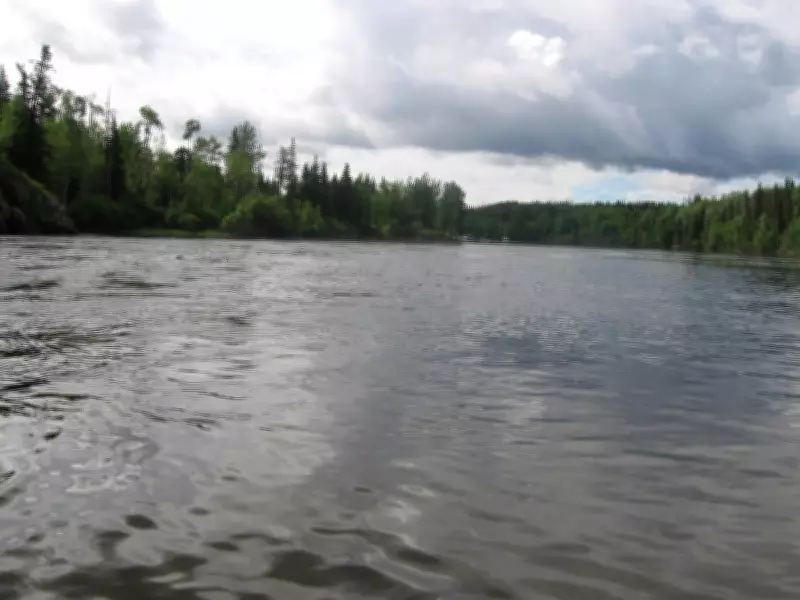
The Lake Babine Nation, which opposed the cancelled Northern Gateway pipeline, maintains its stance against an oil pipeline across its territory. Chief Wilf Adam emphasized that while the Nation has signed benefits agreements for natural gas pipelines, oil pipelines pose a greater risk due to potential leaks contaminating lakes and rivers vital for salmon. He warned, "If Alberta and Canada decide to build at all costs, then we’re going to have a problem."
Lake Babine representatives met with Alberta Energy Ministry officials in Prince Rupert to explain their position and suggested a southern route instead.
Tsawwassen First Nation's Requirements
If a southern route to Roberts Bank in Delta is considered, the Tsawwassen First Nation also lacks a position without a concrete proposal. The Nation stated that any major project requires their consent and involvement from the earliest stages, through consultation and environmental assessment processes, to understand impacts on their people, territory, and treaty rights.
These perspectives highlight the substantial work needed to reach consensus with First Nations, as meaningful consultation is a legal requirement that demands time and depth.