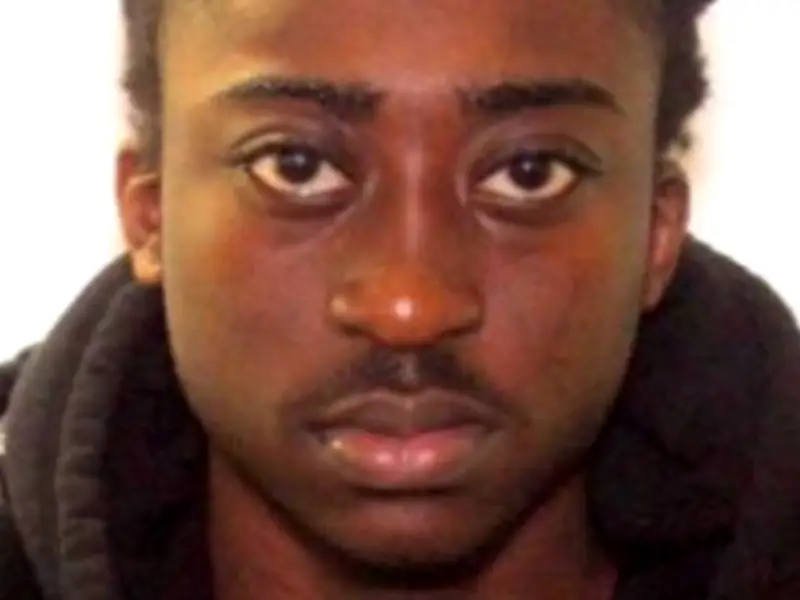
A 19-year-old suspect wanted in connection with the shooting at the U.S. Consulate in Toronto is protected by Canada's Youth Criminal Justice Act, which limits the publication of his identity and photograph. The suspect, Zara Jabbi, is considered armed and dangerous, but police can only use his image for a limited time, raising concerns about public safety during the FIFA World Cup.
Suspect's Privacy Prioritized Over Safety
According to Toronto Police, a court authorized the release of Jabbi's identity for only five days, expiring on Monday, June 15, 2026. This restriction stems from his status as a youth when the photograph was taken. Critics argue that this approach prioritizes the suspect's privacy over the safety of the community and the memory of slain police officer Const. Marc Pinizzotto, who was killed in the line of duty on Thursday, June 11, 2026.
Links to Multiple Shootings
Police Chief Myron Demkiw confirmed that Jabbi is wanted in connection with the March 10 shooting at the U.S. Consulate on University Avenue. Sources suggest that the same weapon may have been used in over 20 shootings, including attacks on synagogues in Toronto. Investigators are also exploring potential new targets during the FIFA World Cup.

The suspect's ability to exploit legal protections has drawn sharp criticism. Columnist Joe Warmington noted that terrorists and their supporters likely laugh at Canada's lenient rules, which allow suspects to evade justice. The case has ignited debate about the balance between youth privacy and public safety, especially in the context of terrorism.
Impact of Youth Criminal Justice Act
The Youth Criminal Justice Act prohibits the identification of young offenders, even in serious cases. This has hindered efforts to track individuals like Jabbi and others involved in similar incidents. For instance, a suspect charged in the York synagogue shootings cannot be identified because he was 17 at the time. Similarly, details about the alleged shooter of Const. Pinizzotto, 19-year-old Nicholas Bennett, remain scarce, with no photo released.
Critics argue that these legal constraints embolden criminals and undermine law enforcement. The case has prompted calls for reform to ensure that the justice system can effectively address threats while respecting due process.
Public Outrage and Calls for Change
The death of Const. Pinizzotto has intensified public outrage. Many feel that the system must be overhauled to prevent suspects from exploiting legal loopholes. Warmington emphasized that inaction is a choice, and that the current approach gives terrorists the upper hand. As the search for Jabbi continues, the debate over Canada's youth justice laws is likely to persist.