

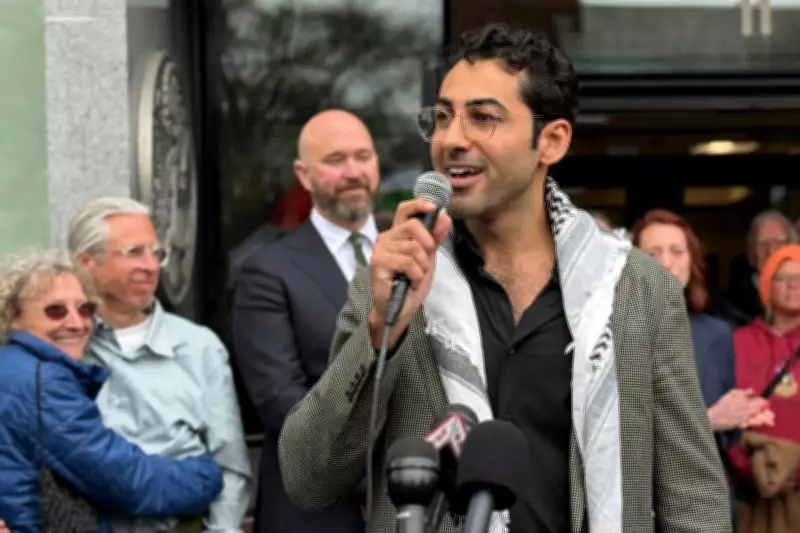
Federal Judge Halts Deportation of Palestinian Student Activist from Columbia University
A federal judge has issued a ruling blocking the deportation of a Palestinian student activist who was a prominent leader of protests at Columbia University. This decision represents a major legal development in a case that has drawn widespread attention to campus activism and immigration enforcement.
Legal Victory Amid Campus Tensions
The activist, whose identity has been confirmed as Mohsen Mahdawi, was facing removal from the United States after his involvement in organizing demonstrations at Columbia. The judge's ruling effectively suspends the deportation process, allowing Mahdawi to remain in the country while legal proceedings continue. This outcome is seen as a significant victory for his supporters and advocacy groups who have argued that his deportation would be unjust.
Mohsen Mahdawi was previously released from custody in April 2025 following a court appearance in Burlington, Vermont, where he spoke publicly outside the courthouse. The case has been closely monitored by immigration rights organizations and academic communities, highlighting the intersection of student activism and federal immigration policy.

Background and Implications
Mahdawi's activism at Columbia University centered on protests related to Palestinian rights, which have been a source of contention on campuses nationwide. His legal battle underscores the broader debates over free speech, academic freedom, and the treatment of non-citizen students in the United States.
The judge's decision to block the deportation is based on legal arguments presented by Mahdawi's defense team, which likely included claims of potential persecution or unfair treatment if he were returned to his home country. While specific details of the ruling have not been fully disclosed, it reflects the judiciary's role in reviewing immigration cases that involve complex political and human rights considerations.
Reactions and Next Steps
Supporters of Mahdawi have celebrated the ruling as a triumph for justice, emphasizing his contributions to campus discourse and the importance of protecting activist voices. Conversely, critics may view it as an example of the legal system interfering with immigration enforcement, particularly in cases involving controversial political activities.
Looking ahead, the case is expected to proceed through further legal channels, with potential appeals or additional hearings. The outcome could set a precedent for how similar cases involving international students and activists are handled in the future, influencing both university policies and federal immigration practices.
This ruling comes at a time when campus protests and immigration issues remain highly polarized topics in American society. It serves as a reminder of the ongoing struggles faced by individuals at the intersection of political activism and legal status in the United States.






