

France has taken decisive action against a group of British anti-migration activists, officially banning them from its territory. The move is designed to prevent the activists from reaching the northern French coast with the intent of targeting boats used by migrants attempting to cross the English Channel.
Targeting Activist Operations
The ban, reported on January 14, 2026, specifically targets individuals known for organizing or participating in operations aimed at disrupting the launch of migrant vessels. French authorities acted to bar these activists from entering the country, effectively cutting off their physical access to key coastal areas like Gravelines, where such crossings frequently originate.
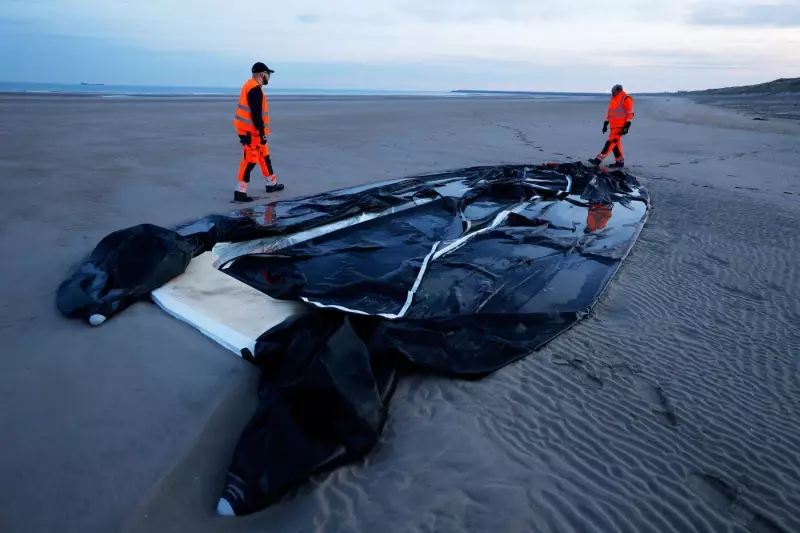
This region has long been a focal point in the migration route between continental Europe and the United Kingdom. Images from the area, such as those from December 22, 2025, often show deflated inflatable boats on beaches after being intercepted or disabled by French police.

Context of Cross-Channel Tensions
The French government's decision underscores the persistent and politically sensitive issue of migration across the Channel. While France and the UK have cooperation agreements on patrolling waters and shores, the involvement of private citizen groups from the UK operating on French soil represents a significant escalation and a challenge to state authority.
Officials view such activist interventions as a threat to public order and safety, potentially creating dangerous situations for migrants, law enforcement, and the activists themselves. The ban is a clear legal tool to assert control over the situation and prevent vigilante actions.
Implications and Broader Significance
This ban highlights the complex and often contentious nature of European immigration policy and border management. It reflects France's firm stance on maintaining sovereignty over its territory and its approach to managing migration flows, even when pressure comes from groups based in a neighbouring allied country.
The action may also influence the broader political discourse around migration in both nations, setting a precedent for how governments deal with extra-governmental groups attempting to take border security into their own hands. It reinforces that border management and immigration enforcement are viewed by states as the exclusive domain of official agencies.






