

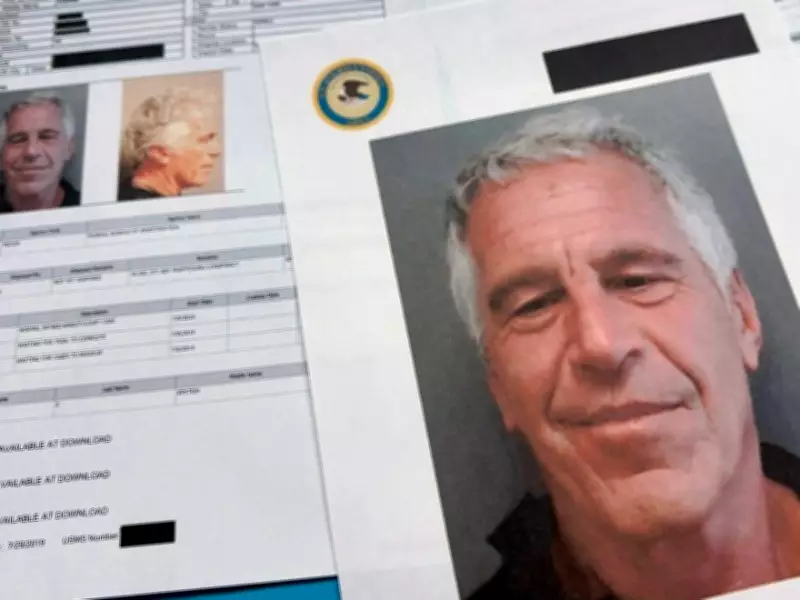
Jeffrey Epstein's Canadian Entry Despite Criminal Past Revealed in Documents
Convicted sex offender Jeffrey Epstein was permitted to enter Canada in 2014 despite having a criminal record that should have made him inadmissible, according to documents released by the U.S. Department of Justice on Friday, January 30, 2026.
Details of the 2014 Vancouver Visit
The latest batch of documents from the extensive Epstein files, which total approximately 3.5 million pages, includes a customs baggage record indicating Epstein was in Vancouver in March 2014. He reportedly stayed at the Four Seasons Hotel during this visit, which was connected to a TED conference.
A travel itinerary found within the documents revealed dinner plans at Vancouver's Blue Water Cafe restaurant with prominent billionaires Larry Page and Jeff Bezos. The records also suggest Epstein had traveled to Vancouver on previous occasions, though specific details were not provided.

Contrast with Later Entry Denial
In stark contrast to the 2014 entry, Epstein was denied permission to enter Canada four years later in 2018. Documents show he contacted the Canadian consulate in Los Angeles seeking a temporary resident permit for another planned TED conference in Vancouver that April.
The Consulate General of Canada in Los Angeles responded on April 4, 2018, denying his application because his conviction was considered an indictable offence under Canadian law. The rejection letter stated that while temporary resident permits can be issued in exceptional humanitarian or compassionate circumstances, or when compelling Canadian interests are served, there were "insufficient grounds to merit the issuance of a permit" in Epstein's case.
Background on Epstein's Criminal History
Jeffrey Epstein was convicted in 2008 for soliciting sex with a minor in Florida. Under normal circumstances, this conviction would have made him inadmissible to Canada. The revelation that he was allowed entry in 2014 raises questions about border security protocols at the time.
Epstein was later arrested in July 2019 in New York City on federal charges of sex trafficking of minors in Florida and New York. After being denied bail, he was found dead in his jail cell just over a month later, with officials determining his death was by suicide.
The document release comes as part of ongoing investigations into Epstein's activities and connections, with the U.S. Justice Department making millions of pages available to the public. The Canadian aspects revealed in these files highlight international dimensions of the case that continue to draw scrutiny years after Epstein's death.






