

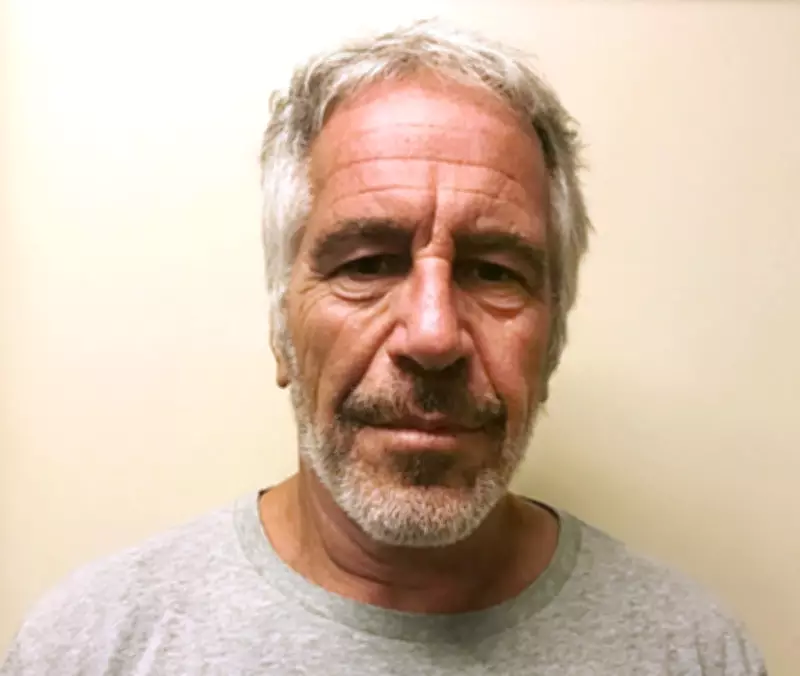
Canada Denied Jeffrey Epstein Permission to Visit British Columbia in 2018, According to Documents
Newly disclosed documents have revealed that Canadian immigration officials explicitly denied the late financier and convicted sex offender Jeffrey Epstein permission to enter British Columbia in 2018. This decision, which was made prior to Epstein's arrest and subsequent death in 2019, highlights the proactive measures taken by Canadian authorities to restrict the movement of individuals with serious criminal histories.
Background and Context of the Refusal
Jeffrey Epstein, whose 2019 death in a New York jail was ruled a suicide, was a financier convicted in 2008 of soliciting prostitution from a minor. He faced further charges in 2019 for sex trafficking of minors. The documents, which have recently come to light, indicate that Canadian border services assessed Epstein's application to visit B.C. and determined that his criminal record and notoriety warranted a refusal under immigration laws designed to protect public safety.
This revelation underscores Canada's stringent approach to border control, particularly concerning individuals with convictions for sexual offences. The decision aligns with broader policies aimed at preventing those who pose a risk to vulnerable populations from entering the country.

Implications for Canadian Immigration Policy
The case raises important questions about how Canada handles high-profile individuals with criminal backgrounds. Immigration, Refugees and Citizenship Canada (IRCC) and the Canada Border Services Agency (CBSA) have the authority to deny entry based on factors such as criminality, health risks, or security concerns. Epstein's denied visit serves as a concrete example of these protocols in action, potentially offering reassurance about the robustness of Canada's screening processes.
Experts note that such refusals are not uncommon, but the high-profile nature of Epstein's case brings increased scrutiny to the effectiveness and consistency of these measures. It also highlights the ongoing challenges in balancing border security with legal obligations under international agreements.
Public and Legal Reactions
While the documents do not specify the exact reasons for the denial, it is widely assumed that Epstein's sex offender status played a key role. Public safety advocates have praised the decision, viewing it as a necessary step to protect communities from potential harm. Conversely, some legal analysts point out that such cases can involve complex legal considerations, including the rights of individuals who have served their sentences.
The timing of this disclosure, years after the fact, may also prompt discussions about transparency in immigration decisions, especially concerning figures with significant media attention.
Conclusion
The revelation that Canada blocked Jeffrey Epstein's planned 2018 visit to British Columbia adds a new dimension to the understanding of his international movements and Canada's border enforcement strategies. It serves as a reminder of the critical role immigration authorities play in safeguarding national security and public welfare, particularly in cases involving individuals with histories of serious criminal behaviour.






