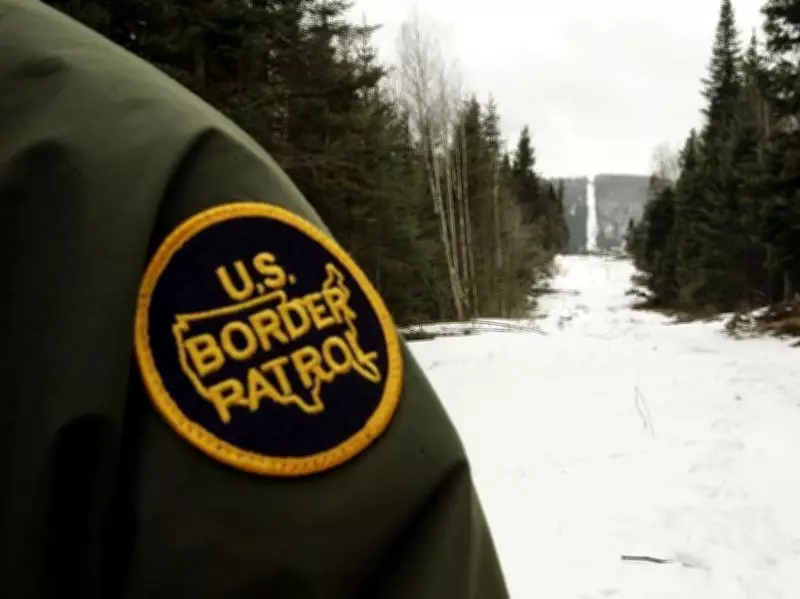
Blind Refugee Found Dead After U.S. Border Patrol Release at Tim Hortons
Police in Buffalo, New York, are investigating the tragic death of a nearly blind refugee from Myanmar who disappeared after being released by U.S. Border Patrol agents at a downtown Tim Hortons coffee shop. The body of 56-year-old Nurul Amin Shah Alam was discovered five days after federal agents dropped him off at the location, raising serious questions about immigration enforcement protocols and the treatment of vulnerable individuals.
Timeline of Events Leading to Tragedy
According to official statements and family representatives, Shah Alam was detained by U.S. Border Patrol agents on February 19, 2026, and released the same day after spending approximately one year in Erie County Jail. Federal authorities had determined he wasn't eligible for deportation following a misdemeanor plea deal related to previous criminal charges. The Buffalo Police Department confirmed his body was found Tuesday night near KeyBank Center, the downtown arena where the Buffalo Sabres play hockey, though it remains unclear how he traveled from the Tim Hortons location or precisely when he died.
Mayor Condemns Border Patrol Actions
Buffalo Mayor Sean Ryan, a Democrat, issued a strongly worded statement condemning the federal agents' actions, calling Shah Alam's death "preventable" and criticizing the decision to leave a vulnerable man alone on a cold winter night. "A vulnerable man — nearly blind and unable to speak English — was left alone with no known attempt to leave him in a safe, secure location. That decision from U.S. Customs and Border Protection was unprofessional and inhumane," Ryan stated. The mayor noted that Shah Alam had been wearing orange booties issued by the county holding center at the time of his release.

Border Patrol Defends Release Protocol
U.S. Customs and Border Protection defended their actions in an official statement, claiming Shah Alam "showed no signs of distress, mobility issues, or disabilities requiring special assistance" when agents dropped him off at the coffee shop. The agency explained that Border Patrol agents offered him a "courtesy ride" to what they determined to be "a warm, safe location near his last known address" rather than releasing him directly from their station. This explanation has done little to quell criticism from local officials and immigrant advocacy groups.
Family's Heartbreaking Wait
Shah Alam's family had initially expected him to walk out of the county jail when he was released on February 19. According to Imran Fazal, founder of the Rohingya Empowerment Community who knows the family, relatives reported him missing after failing to locate him following notification of where he had been dropped off. The family had posted bail and waited at the county jail expecting his release, unaware that Border Patrol agents had intercepted the process due to an immigration detainer filed after his arrest.
Background of the Deceased Refugee
Shah Alam arrived in the United States with his wife and two children in December 2024, seeking better opportunities for his family after previously working in construction in Malaysia. Approximately one year before his death, he was arrested by Buffalo police following an incident that resulted in minor injuries to two officers. He was initially indicted on charges of assault, burglary, and criminal mischief but ultimately pleaded guilty to misdemeanor charges of trespassing and possession of a weapon. He was scheduled for sentencing in March 2026.
Standard Procedure Questioned
The Erie County Sheriff's Office followed standard practice by informing U.S. Border Patrol about Shah Alam's pending release due to the immigration detainer filed after his arrest. According to the sheriff's office statement, Border Patrol agents arrived at the jail before the release was finalized, taking custody of Shah Alam and ultimately releasing him at the Tim Hortons location. This case has sparked broader conversations about how immigration enforcement interacts with local criminal justice systems and the protection of vulnerable populations during transfer and release procedures.