

Bangladeshi Migrant Workers Deceived into Fighting for Russia in Ukraine Conflict
In a disturbing case of international exploitation, workers from Bangladesh who sought legitimate employment opportunities in Russia were instead coerced into military service and deployed to the front lines of the war in Ukraine. This alarming trend highlights the vulnerabilities faced by migrant laborers and the brutal realities of modern conflict recruitment.
A Survivor's Harrowing Account of Deception and Escape
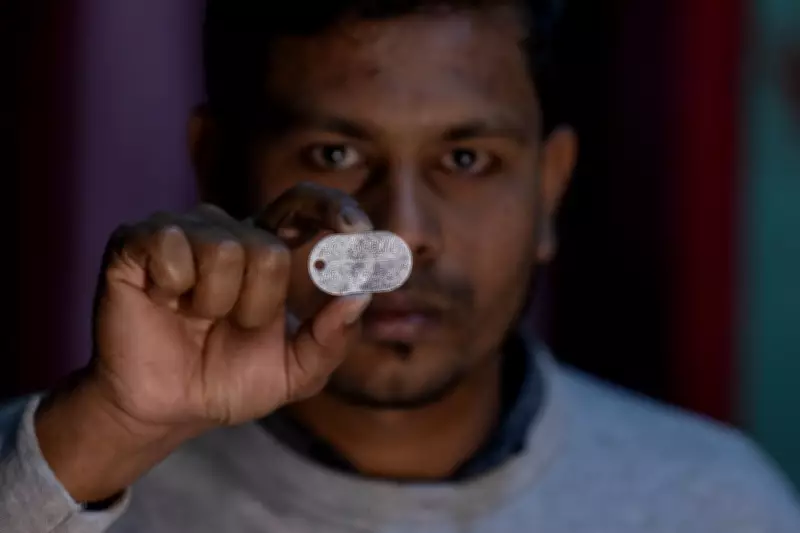
Maksudur Rahman, a 31-year-old Bangladeshi national, recently shared his traumatic experience with The Associated Press from his hometown of Lakshmipur, Bangladesh. Rahman displayed a Russian military dog tag as tangible evidence of his forced conscription, a stark reminder of the ordeal he endured after being misled by promises of stable work.
"I went to Russia looking for a job to support my family," Rahman explained during the December 2025 interview. "Instead, I found myself handed a weapon and sent to fight in a war that was not mine." His escape from the Russian army represents a rare successful flight from what advocates describe as a systematic pattern of deception targeting vulnerable foreign workers.

The Broader Pattern of Exploitative Recruitment Practices
While Rahman's story has gained international attention through media coverage, it reflects what human rights organizations suspect is a larger, more organized operation. Labor recruiters reportedly promise Bangladeshi men lucrative employment contracts in Russia's construction or service sectors, only to have their documents seized upon arrival and be forced into military training.
This practice not only violates international labor standards but also represents a grave breach of human rights, with individuals being compelled to participate in armed conflict against their will. The psychological and physical toll on these coerced combatants is immense, with many facing trauma, injury, or death in combat situations for which they were neither prepared nor willing participants.
International Response and Diplomatic Implications
The revelation of this exploitation has prompted calls for increased scrutiny of labor migration pathways between South Asia and Russia. Bangladesh's government faces pressure to investigate these allegations thoroughly and protect its citizens from such predatory recruitment schemes.
Meanwhile, the situation adds another layer of complexity to the ongoing Ukraine conflict, raising questions about Russia's military recruitment practices and their compliance with international laws governing armed conflict. The use of foreign nationals coerced into combat potentially violates multiple provisions of the Geneva Conventions regarding the treatment of combatants.
Protecting Vulnerable Workers in Global Labor Markets
This case underscores the critical need for enhanced protections for migrant workers worldwide. Key measures that could prevent similar exploitation include:
- Strengthening bilateral labor agreements with robust verification mechanisms
- Increasing pre-departure orientation about legitimate employment opportunities
- Establishing emergency hotlines for migrant workers facing exploitation abroad
- Implementing stricter oversight of international recruitment agencies
As global labor migration continues to expand, the safety and rights of workers must remain a priority for both sending and receiving countries. The tragic experiences of Bangladeshi men like Maksudur Rahman serve as a sobering reminder of what can happen when these protections fail.






