Nearly 900,000 Albertans live in rural and remote communities, yet only around seven per cent of the province's family physicians practise in those areas, according to a recent opinion piece by Patrick Dumelie and Stuart Cullum. The gap for specialist care is even wider, and rural Alberta is aging faster than urban centres, increasing demand for health care in communities where access is already limited.
Challenges faced by rural Albertans
For many rural Albertans, these challenges are not abstract policy issues. They are the realities of driving hours for appointments, waiting longer for specialized care and navigating health needs with fewer local resources. These are not just numbers on a page — they are lived experiences seen every day in the communities served by the authors.
The province has recognized the need for action through its Rural Health Action Plan, which focuses on health equity. Albertans should not experience poorer health outcomes simply because they live in a rural or remote community.

Partnership to establish a Centre of Excellence
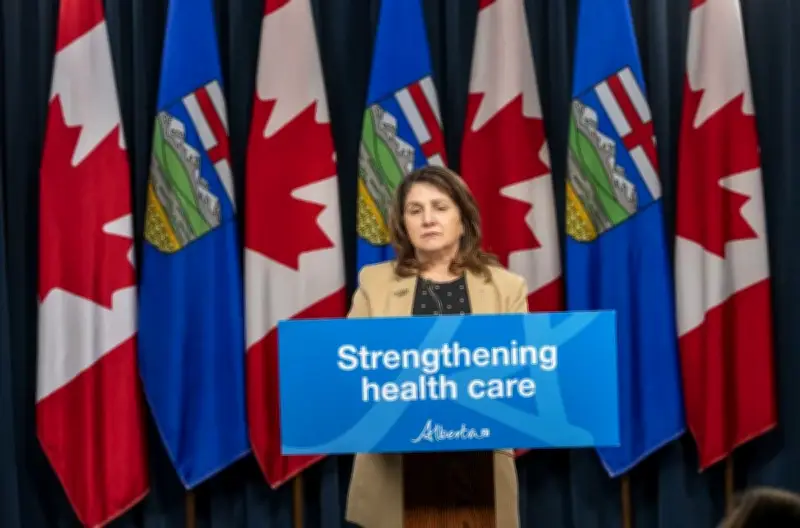
Meeting that challenge will require partnerships that connect education, research and frontline care. In November 2025, under the leadership of Minister Adriana LaGrange, Covenant and Red Deer Polytechnic signed a memorandum of understanding to establish a Rural and Remote Health and Wellness Centre of Excellence.
Covenant has served Albertans for more than 160 years and provides care through teams working in 16 communities and 29 sites across the province. Red Deer Polytechnic brings 1,567 health-training seats, offers health-care programming in seven rural communities and is in the design phase of a new applied-learning facility that will add another 1,000 health-care program seats.
Goals of the partnership
Together, they bring frontline experience, research capacity and deep community connections to the challenge of strengthening rural health care. The partnership is about action — creating a place where students, clinicians, researchers and communities work side-by-side to solve real problems.
They will train the next generation of health professionals, pilot new models of care and create a hub where education, research and frontline care come together. The focus will be on workforce recruitment and retention, improving access to care, strengthening community-based services and supporting prevention and wellness initiatives that reflect the unique needs of rural and remote communities.
Innovation through technology
The Centre of Excellence will also help accelerate innovation through applied research and emerging technologies such as augmented and virtual reality. Students, researchers and health-care professionals will work together to develop practical solutions that improve care closer to home and strengthen health-care delivery in rural and remote communities.