Quebec Medical Specialists Accuse Santé Québec of Illegal Reprisals
The Federation of Medical Specialists of Quebec (FMSQ) has leveled serious allegations against Santé Québec, accusing the provincial health agency of engaging in illegal reprisals against medical professionals. This development marks a significant escalation in the ongoing tensions between healthcare providers and government authorities in Quebec.
Allegations of Systematic Retaliation
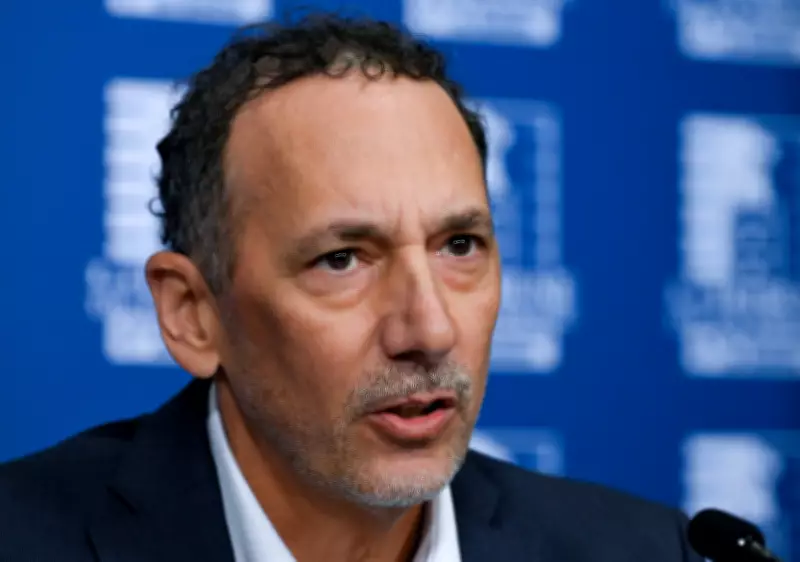
Dr. Vincent Oliva, president of the FMSQ, has publicly denounced what he describes as systematic retaliation by Santé Québec against specialists who have voiced concerns or participated in advocacy efforts. According to the federation, these reprisals have taken various forms, including unjustified disciplinary actions, arbitrary reassignments, and the withholding of professional opportunities.
The timing of these allegations is particularly noteworthy, coming amid broader discussions about healthcare reform and physician autonomy in Quebec. Medical specialists argue that such retaliatory practices not only violate their professional rights but also undermine the quality of patient care by creating a climate of fear and intimidation.

Legal and Ethical Implications
The FMSQ contends that Santé Québec's actions contravene both provincial labor laws and ethical standards governing healthcare administration. "When medical professionals face retaliation for speaking out about systemic issues, it compromises the entire healthcare system," Dr. Oliva stated during a recent press briefing.
Legal experts suggest that if substantiated, these allegations could lead to:
- Formal investigations by regulatory bodies
- Potential lawsuits against Santé Québec
- Calls for independent oversight of healthcare administration
- Reforms to protect whistleblower rights in the medical field
Broader Context of Healthcare Tensions
This conflict emerges against a backdrop of longstanding disputes between Quebec's medical community and government health authorities. Specialists have repeatedly raised concerns about:
- Resource allocation and funding priorities
- Administrative burdens affecting clinical practice
- Decision-making processes that exclude frontline providers
- Workplace conditions and professional autonomy
The current allegations suggest these tensions have reached a new level of confrontation, with the FMSQ taking the unprecedented step of publicly accusing the provincial health agency of illegal conduct.
Potential Consequences and Next Steps
The FMSQ has indicated it will pursue multiple avenues to address these concerns, including potential legal action and appeals to independent oversight bodies. Meanwhile, Santé Québec has yet to issue a formal response to the allegations, leaving the medical community and public awaiting clarification on these serious charges.
This situation highlights the delicate balance between administrative oversight and professional autonomy in healthcare systems, with implications that extend far beyond Quebec's borders. As the dispute unfolds, it will likely influence discussions about physician rights, healthcare governance, and the protection of medical professionals who advocate for systemic improvements.