Quebec Premier Stands Firm on Specialist Doctors' Compensation Package
Quebec Premier François Legault has publicly declared that the provincial government's current pay offer to specialist physicians is adequate and reasonable, even as their representative union intensifies pressure tactics. This statement comes during a period of heightened tension in healthcare labor relations across the province.
Union Ramps Up Pressure Amid Stalled Negotiations
The Fédération des médecins spécialistes du Québec (FMSQ), representing approximately 10,000 specialist doctors, has been escalating its campaign for improved compensation and working conditions. Dr. Vincent Oliva, president of the FMSQ, has been vocal about the union's dissatisfaction with the current offer, arguing that it fails to address critical issues affecting specialist retention and patient care quality.
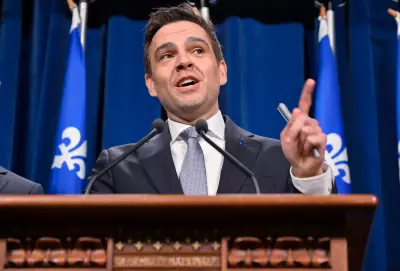
"We have presented a fair and balanced proposal that recognizes the vital role specialist physicians play in our healthcare system," Premier Legault stated during a recent press briefing. "While we remain open to constructive dialogue, the current offer represents a significant investment that aligns with our fiscal responsibilities."

Context of Healthcare System Challenges
The negotiations occur against a backdrop of systemic challenges within Quebec's healthcare infrastructure. Specialist physicians have highlighted concerns about excessive workloads, administrative burdens, and what they describe as inadequate compensation compared to other Canadian provinces. The FMSQ has warned that failure to reach a satisfactory agreement could exacerbate existing physician shortages and impact specialized medical services.
"Our members are facing unprecedented pressures," Dr. Oliva emphasized during a recent union gathering. "The current offer does not sufficiently address the realities of modern medical practice or the need to attract and retain specialists in Quebec."
Government's Position and Fiscal Considerations
The provincial government maintains that its offer represents a substantial increase that balances physician compensation with broader healthcare system needs. Officials point to competing priorities within the healthcare budget, including hospital infrastructure, nursing staff, and primary care access.
Key elements of the government's position include:
- Commitment to fair compensation within fiscal constraints
- Focus on improving overall healthcare system efficiency
- Need to address multiple healthcare professional groups simultaneously
- Long-term sustainability of physician compensation models
Potential Implications of Continued Impasse
Should negotiations remain deadlocked, the FMSQ has indicated it may implement additional pressure tactics, which could include work-to-rule measures or limited service withdrawals. Such actions would potentially delay non-urgent procedures and consultations, adding strain to an already burdened healthcare system.
Healthcare analysts suggest that the outcome of these negotiations could set precedents for other physician groups and healthcare professionals across the province. The situation reflects broader tensions in Canadian healthcare between fiscal management, professional compensation, and system sustainability.
Both parties have expressed willingness to continue discussions, but significant gaps remain in their respective positions. The coming weeks are expected to be critical as the union considers its next steps and the government evaluates potential adjustments to its proposal.