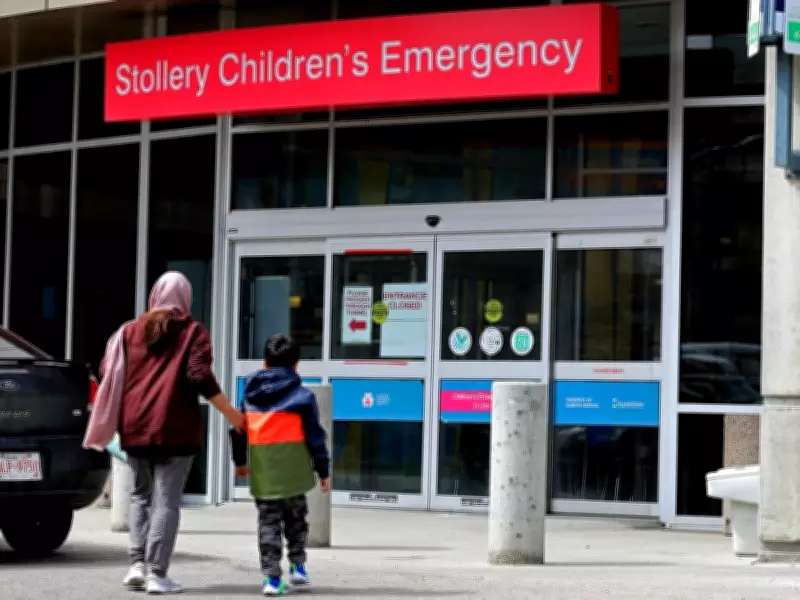
It is deeply concerning to hear about potentially preventable deaths in Edmonton hospital emergency rooms (ERs). The Alberta Medical Association, United Nurses of Alberta, and other groups have rightly called for government attention and action. This is not a new issue, nor is the exceptionally long wait for care in most ERs across Alberta every hour of every day.
As I write this, anyone visiting an Edmonton hospital would likely wait 5-7 hours for care, according to online estimated emergency department wait times. When I needed a fingernail removed after it was half torn off, I was told in a city ER that I would likely wait 8-12 hours. I went home, cleaned and dressed it, and returned the next day with an infected finger, receiving a prescription for an antibiotic. Three days later, I had to go back to assess whether the antibiotic was working. This illustrates how delays in accessing health care often lead to worse health issues and increased demand for services.
While people arriving by ambulance or with serious concerns are typically seen first, large crowds in ERs make it difficult for everyone to be properly monitored and cared for. Other countries have faced similar problems and solved them. Our UCP government could initiate three changes that have been successfully implemented in the UK and elsewhere, plus one additional low-cost change.

1. Pay ER doctors a salary
ER medicine is a specialty, and these specialists should be compensated similarly to other medical specialists. They should not have to care for people with minor health issues due to income necessity. Most ER doctors in Alberta are compensated through a fee-for-service model, billing the Alberta Health Care Insurance Plan using specific codes. The most recently published online (May 2023) Alberta Health Care Insurance Plan Statistical Supplement reports an average income of $341,349 for emergency medicine physicians compared to $554,347 for all specialists.
Fee-for-service payment advantages physicians who can treat many patients each workday. In 2021-22, dermatology physicians averaged $1,086,779 in fee-for-service payments, ophthalmology averaged $1,271,421, and radiologists averaged $1,182,055. This income difference influences medical students' career choices. Who would not want to make more money and work Monday-Friday daytimes compared to ER physicians working 24-7?
2. Implement nurse-led triage and treatment
In the UK, nurse-led minor injury units have reduced ER congestion. Specially trained nurses can assess and treat minor conditions, freeing ER doctors for serious cases. Alberta could adopt similar models in community clinics or within hospitals.
3. Expand virtual care options
Virtual consultations for non-urgent issues can reduce ER visits. Patients with minor ailments could connect with a physician remotely, receiving advice or prescriptions without waiting in an ER. This has been effective in other jurisdictions.
4. Improve public education
A low-cost change is to better inform the public about appropriate use of ERs. Many people visit ERs for conditions that could be managed by family doctors or walk-in clinics. Public campaigns could redirect non-urgent cases, reducing ER burden.
These solutions have worked elsewhere and could be adapted for Alberta. The government must act now to prevent further suffering and deaths.