

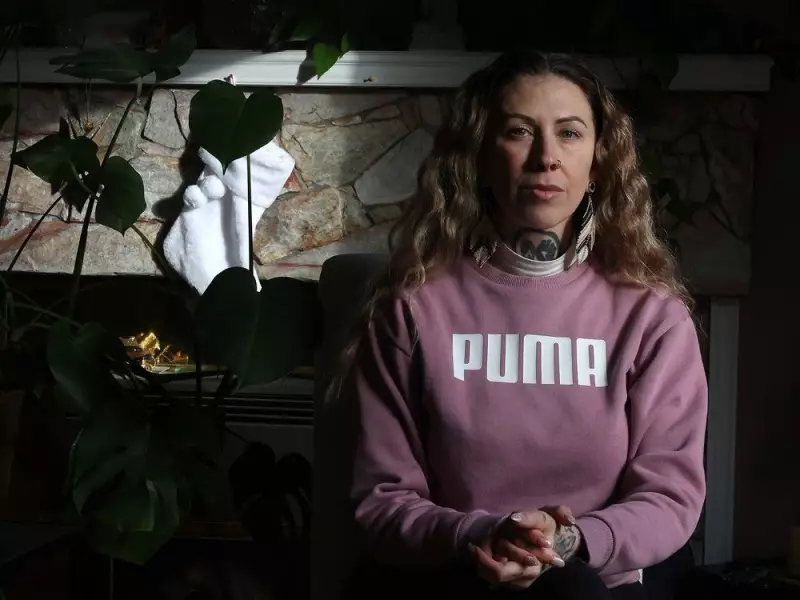
The promise of provincially funded help to start a family has turned to heartbreak for many in British Columbia as the government's in vitro fertilization (IVF) program runs out of money. The program, announced with great hope in March 2024, has been overwhelmed by demand, leaving prospective parents like Mya Wollf caught in a web of bureaucratic red tape and unclear eligibility rules.
Promises Meet Bureaucratic Reality
When the B.C. government, led by Premier David Eby and Health Minister Josie Osborne, announced the program, it pledged to cover up to $19,000 for one round of IVF treatment. The initiative was launched with a finite, two-year timeline and a total budget of $68 million. However, this funding has now been completely allocated, and no new money will be released until spring, stranding countless couples mid-process.
For Coquitlam resident Mya Wollf and her husband, the news was a devastating blow. After trying to conceive for five years and undergoing several rounds of fertility treatments, they believed public funding was finally within reach. "We were ecstatic," Wollf said of the initial announcement. However, they discovered too late that eligibility was tied to the program's March 2024 start date. By the time they secured a consultation in June 2025—a month before the program officially launched—the waiting list had ballooned and the funding was gone.

"Even though we had been at the clinic for many years, we were not on that list in the beginning," Wollf explained. "By the time we even got to see our doctor, the funding had run out." Her situation is compounded by the fact she has now entered menopause, making her ineligible for standard IVF. The program also does not cover the $30,000 cost of an egg donation cycle, closing another potential path to parenthood.
A Widespread Problem of Eligibility and Clarity
The core issue plaguing the program is a profound lack of clarity on eligibility requirements. Some patients who had taken proactive steps by booking initial appointments at fertility clinics before the March 2024 announcement were later informed those appointments were not considered valid for the public program.
This was the experience of Richmond resident Nina Zasitko, a patient at Olive Fertility Centre, one of three clinics participating in the provincial program. Zasitko began treatment in 2023 after battling thyroid cancer. After two failed insemination attempts, she successfully conceived twins in July 2024, only to tragically lose both at 18 weeks despite emergency surgery in Toronto. Her journey highlights the complex medical and emotional challenges faced by those seeking fertility care.
Wollf and Zasitko's stories underscore a system where communication failures and ambiguous rules have created significant barriers for the very people the program was designed to help.
How B.C. Compares and What Comes Next
B.C.'s struggle contrasts with programs in other provinces. Ontario has operated a permanent publicly funded IVF program since 2015 and recently increased its funding to $250 million. Quebec was the first province to offer coverage in 2010, though it suspended the program five years later due to massive cost overruns.
The situation in B.C. leaves hundreds of hopeful parents in a state of painful limbo. They must now wait until spring for the possibility of new funding, all while biological clocks tick and personal savings are stretched. The program's abrupt funding exhaustion raises serious questions about its initial design, capacity planning, and the transparency of its rollout.
For families across the province, the dream of publicly supported fertility treatment has been deferred, replaced by uncertainty and frustration as they navigate a system that promised support but delivered confusion and delay.






